Creative Best Practices for Car Jam Games in 2026

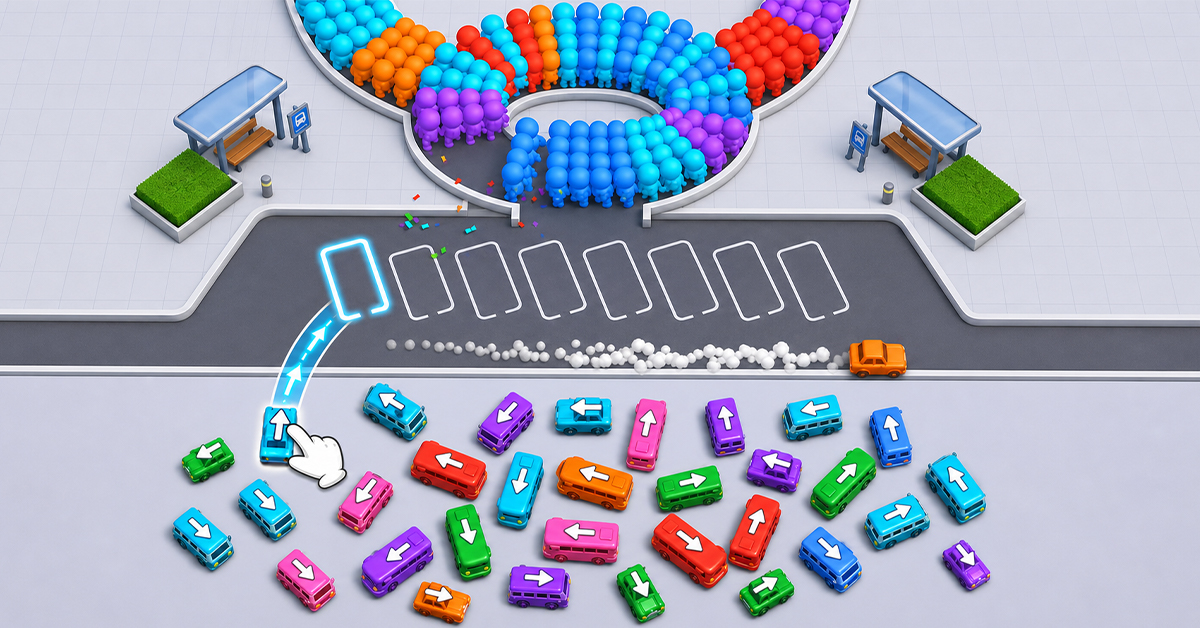
Car jam games remain a staple of casual game user acquisition because users can understand the core interaction before any tutorial appears. Vehicle directions, passengers grouped by color, and limited parking capacity are all visible at once, allowing users to begin working out the next move almost immediately.
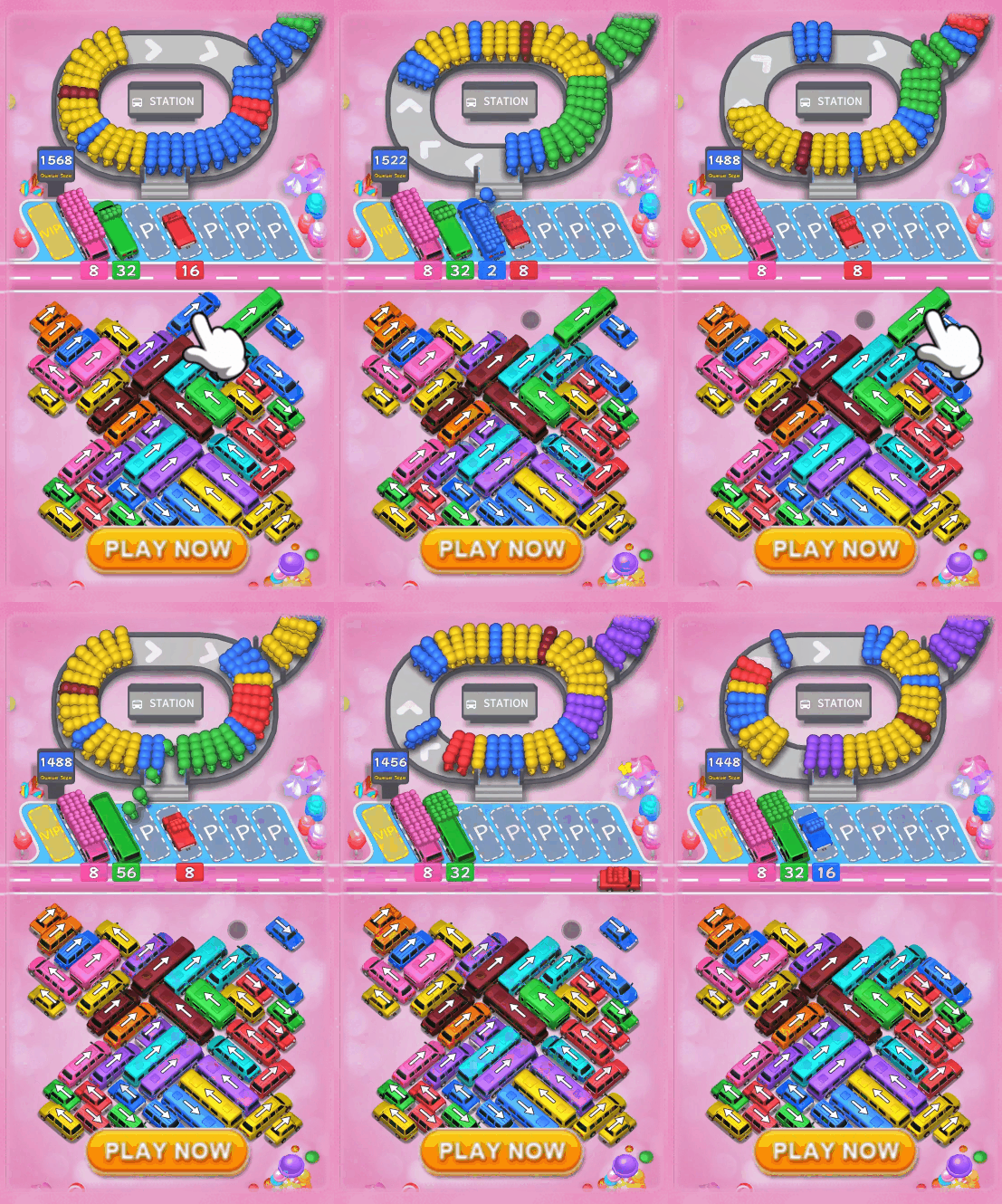
Recent creative development has moved beyond simply increasing board size. The format has evolved from fixed passenger queues centered on release order to dynamic passenger flows that continually change demand, with added mechanics introducing further conditions. This expands the range of rule combinations without replacing the core interaction.
The Core Insight: Every Move Changes the Options That Follow
The appeal of car jam games comes from a visible chain of cause and effect. Choosing a vehicle that matches the waiting passengers' color allows them to board and frees a parking slot for a later move, while a poorly timed move can occupy one of the limited slots. Vehicle directions, passenger colors, and remaining parking space make these relationships easy to read. The core tension is simple: each move either preserves or limits the options available for the next move.
Four Creative Levers That Keep Car Jam Games Fresh
Changes to the decision process can keep the familiar format fresh for longer than simply increasing board density. Creative teams can do this by varying the following four elements that reshape how users evaluate each move.
1. Make the Next Move Easy to Read
The hook in car jam creatives is not color matching alone, but working out the right release order. The opening should show one or two clearly movable vehicles alongside one plausible but poorly timed option, so users can begin judging the sequence immediately.

2. Use Limited Parking to Make Consequences Visible
Limited parking creates visible pressure without extra UI. Each vehicle that cannot immediately pick up matching passengers takes up a slot and reduces the remaining margin for error. Playable and video creatives can focus on the moment the parking area begins to fill, or end with one slot left. When a sequence ends in failure, showing a full parking area, a blocked vehicle, or a color mismatch ties the outcome to an earlier choice instead of making it feel arbitrary.

3. Change What Users Need to Consider Next
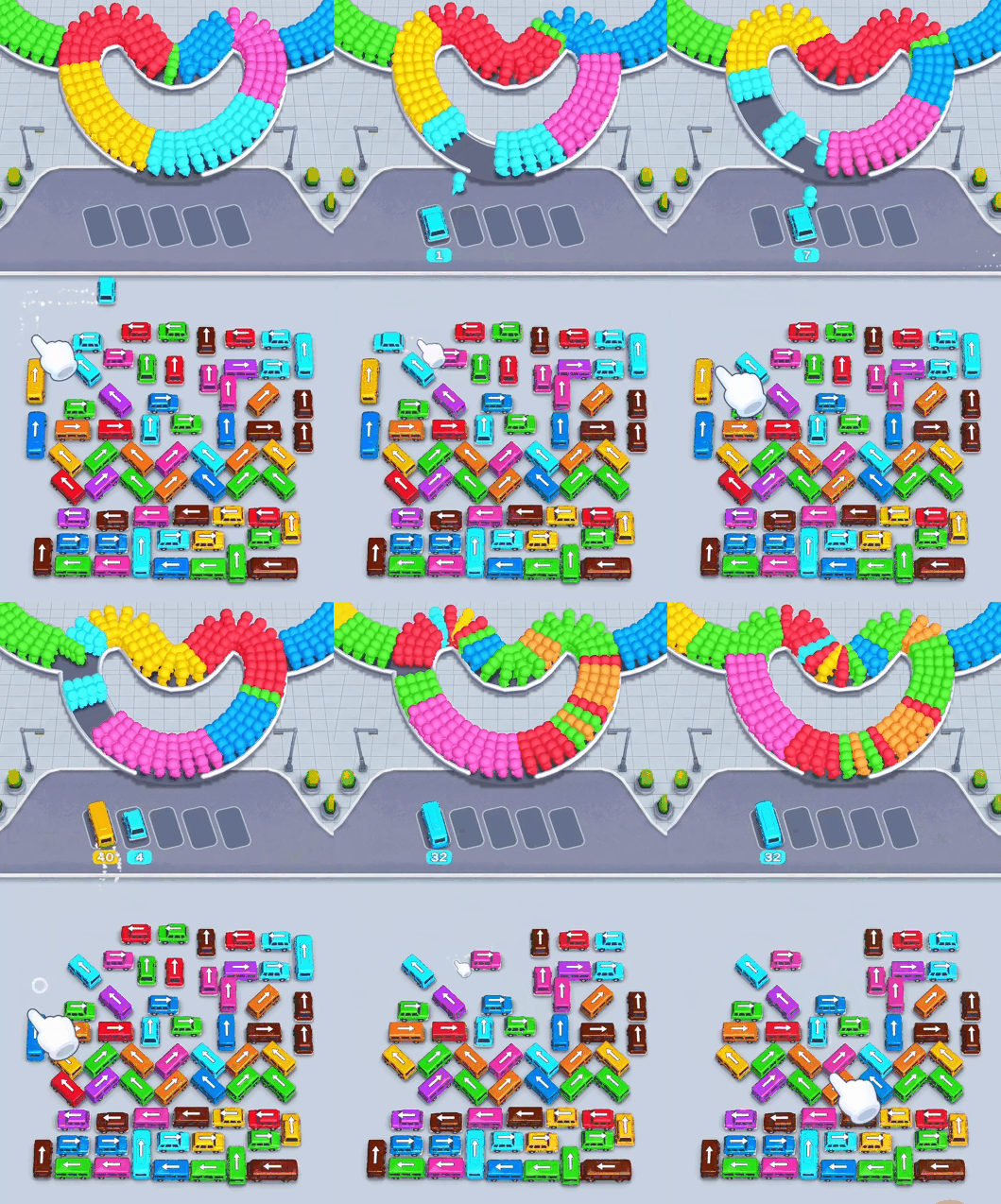
Difficulty does not have to come from adding more vehicles, passengers, or obstacles. Dynamic passenger flows, conveyor belts, special vehicles, additional routes, or limits on attempts can change the conditions around each move instead. Keep the basic vehicle release and passenger matching loop, and introduce one clearly visible change at a time so users can understand how it alters the next decision.
4. Keep AI Openings Connected to Gameplay
The value of AI openings comes from thematic continuity, not visual novelty alone. Scenarios such as airport shuttles, wedding traffic, tour buses, and commuting congestion can lead naturally into gameplay when shared vehicle colors, compositions, or actions create a clear visual bridge.

How the Pattern Adapts Across Playable and Video Creatives
Playable ads let users experience how one move changes the next. Fixed queues prioritize immediate clarity, dynamic passenger flows support longer interaction by refreshing demand, and added mechanics change what users need to consider without replacing the basic vehicle release and passenger matching structure.
Video creatives need to make the same process easy to follow without direct interaction. A video can open with gameplay, a presenter introduction, or a scenario generated with AI, but gameplay should remain the main demonstration of how the game works. Ending before a key choice is resolved can give users a reason to take control.
A Practical Testing Framework
Start with a baseline that keeps the core interaction and main level assets stable, then test each creative variable in a separate round so every comparison can inform the next version.
• Opening State: Keep passenger flow and parking capacity stable while varying the available first moves, vehicle directions, or one plausible but mistimed choice.
• Passenger Flow: On the same vehicle board, compare a fixed queue with a moving or replenishing flow.
• Parking Capacity & Failure Feedback: Keep the board unchanged while varying parking capacity. Test full parking, blocked vehicle, and color mismatch feedback separately.
• Rule Layer: Add one visible condition at a time, such as a conveyor belt, special vehicle, additional route, or limit on attempts.
• Hook & Ending: Keep the gameplay unchanged while comparing an immediate gameplay start, presenter introduction, or scenario generated with AI. Test ending points separately.
The Production Implication
Playturbo's Parking Puzzle templates provide a reusable structure for the core car jam flow, from moving and releasing vehicles to a win or fail state. Teams can swap vehicle and scene assets, then use parking components to adjust road layouts, vehicle placement, parking capacity, and other level settings for new variations.
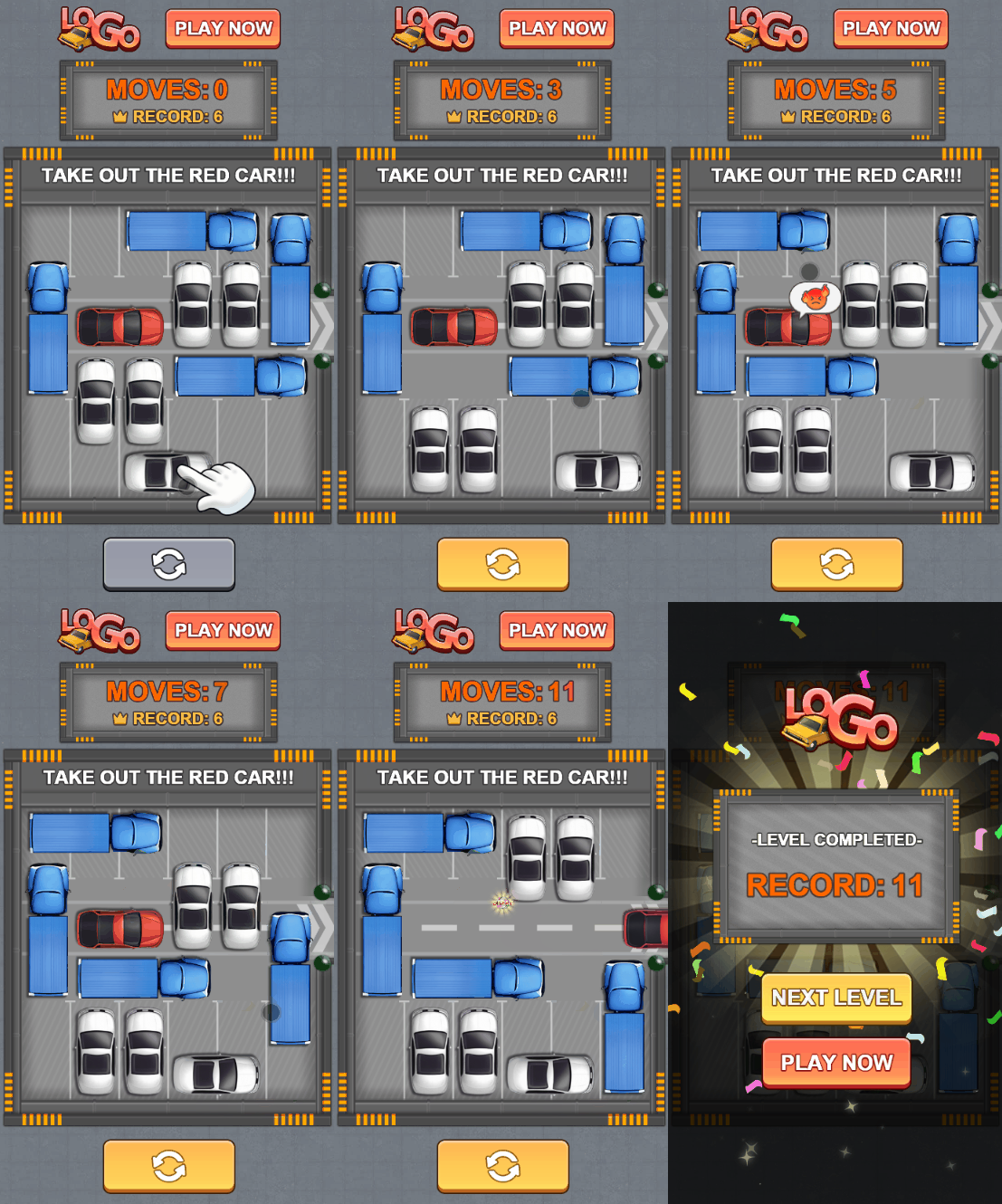
Playturbo's Video to Playable can convert existing videos or gameplay footage into lightweight interactive creatives without rebuilding a playable from scratch. Teams can add hotspots, guidance, feedback, and redirect points along the timeline, making it practical to test interaction around a level already used in video.
For presenter openings, AI Avatar Video can create clips with different avatar profiles and languages without separate shoots. Teams can pair them with existing gameplay to compare challenge, recommendation, or relaxation messaging across markets.

Final Takeaway
The staying power of car jam games comes from a simple but flexible decision structure. Vehicle positions, color matching, limited parking, and release order all shape what happens next.
With the core gameplay already established, creative teams can focus on new constraints, themes, and entry points rather than reinventing it. Small changes to how users evaluate each move can create new variations within the same framework.
Ready to elevate your ad strategy? Explore Playturbo's creative production solutions and discover how we help developers generate high-performing AI ads at scale. Follow us on LinkedIn keep track of all our updates. Sign up today to kickstart your next global ad campaign!