Creative Best Practices for Mahjong Solitaire Ads in 2026
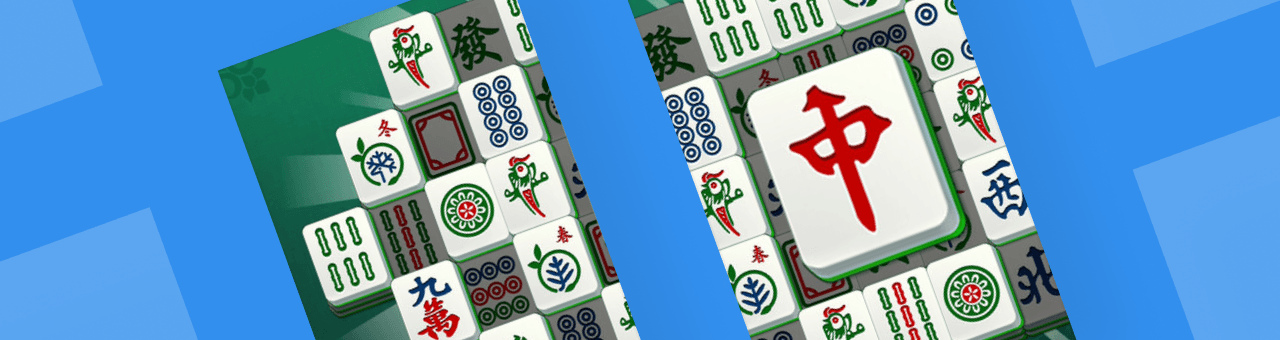
Mahjong solitaire builds on this familiarity, adapting traditional Mahjong elements into a single-player experience that is easy to pick up and play.
As a result, creative strategy in this genre is less about telling a new story and more about how quickly the ad can establish clear visual cues and intuitive gameplay.
In this blog, we take a close look at recent top-performing video and playable ad creatives for mahjong solitaire games. We break down the creative strategies behind these successful formats and explore how creative automation platforms like Playturbo can help scale, iterate, and optimize them across global markets.
Best Practices for Mahjong Solitaire Video Creatives
The key to video creatives for mahjong solitaire is to communicate what the game is and why players find it enjoyable.
Gameplay demonstrations are the most common format. These videos usually focus on the Mahjong board, with visuals that highlight tile matching and feedback. The UI stays minimal, typically showing only key elements such as score, combo, or rewards. At the same time, visual cues like guiding fingers, highlighted tiles, and smooth tile removal animations make the gameplay easy to follow at a glance.
Most videos begin directly with gameplay, showcasing matching actions right away without any setup or explanation. As the video progresses, ongoing matches, combos, and score feedback reinforce the sense of progress and keep viewers engaged. The video generally ends after clearing a set or nearing completion with a CTA to download the game.
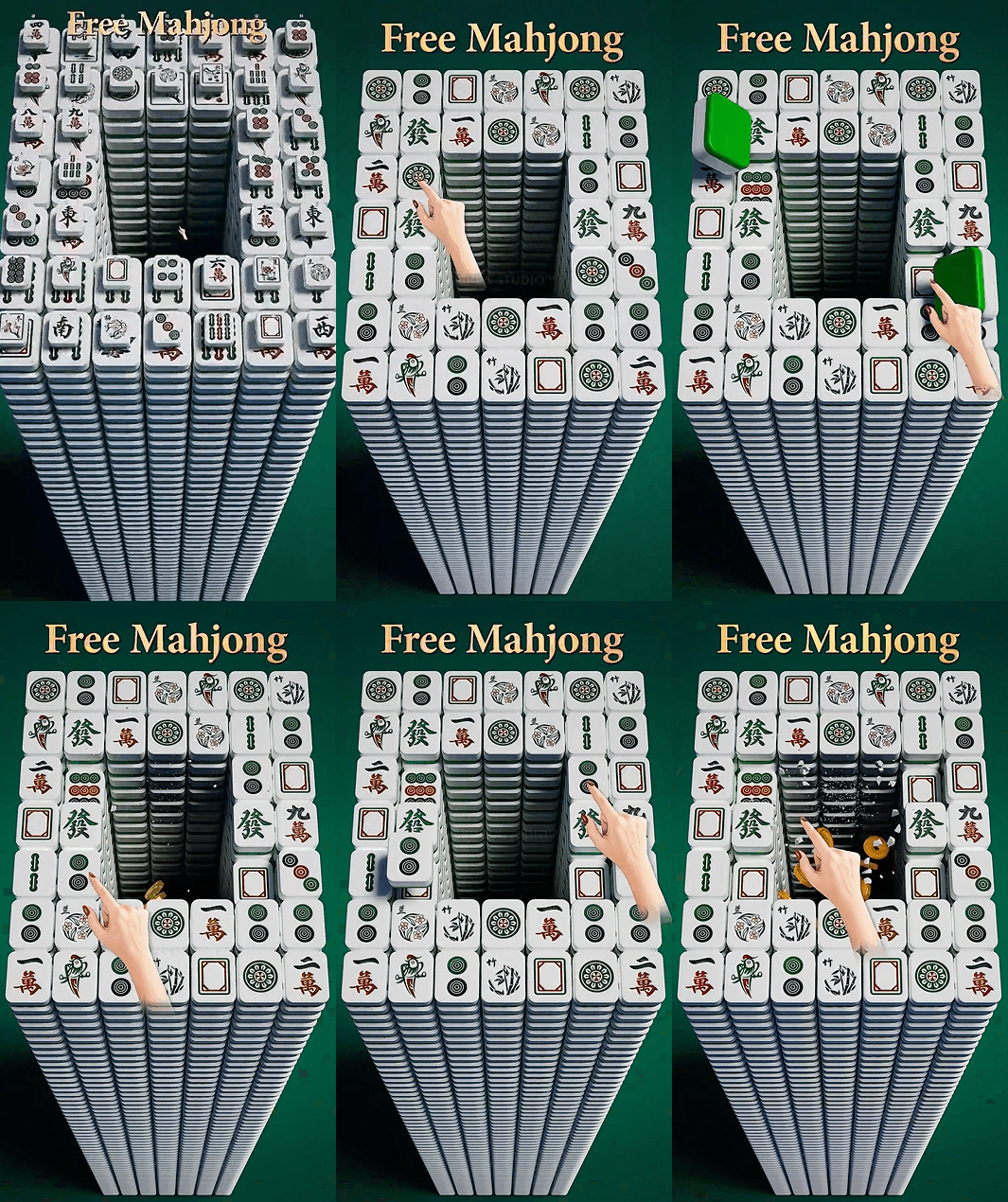
Best Practices for Mahjong Solitaire Playable Creatives
The key to winning playables is a fast, intuitive onboarding process. Top-performing playables typically follow four interaction patterns: tap-to-match, swipe-to-match, flip-to-match, and shelf-style match-3. While they share the same mahjong theme, each introduces a slightly different way for users to engage with the game.
Tap-to-Match
Tap-to-match remains the most widely used format because it requires almost no explanation. For a familiar genre like mahjong solitaire, immediate understanding gives it a strong advantage.
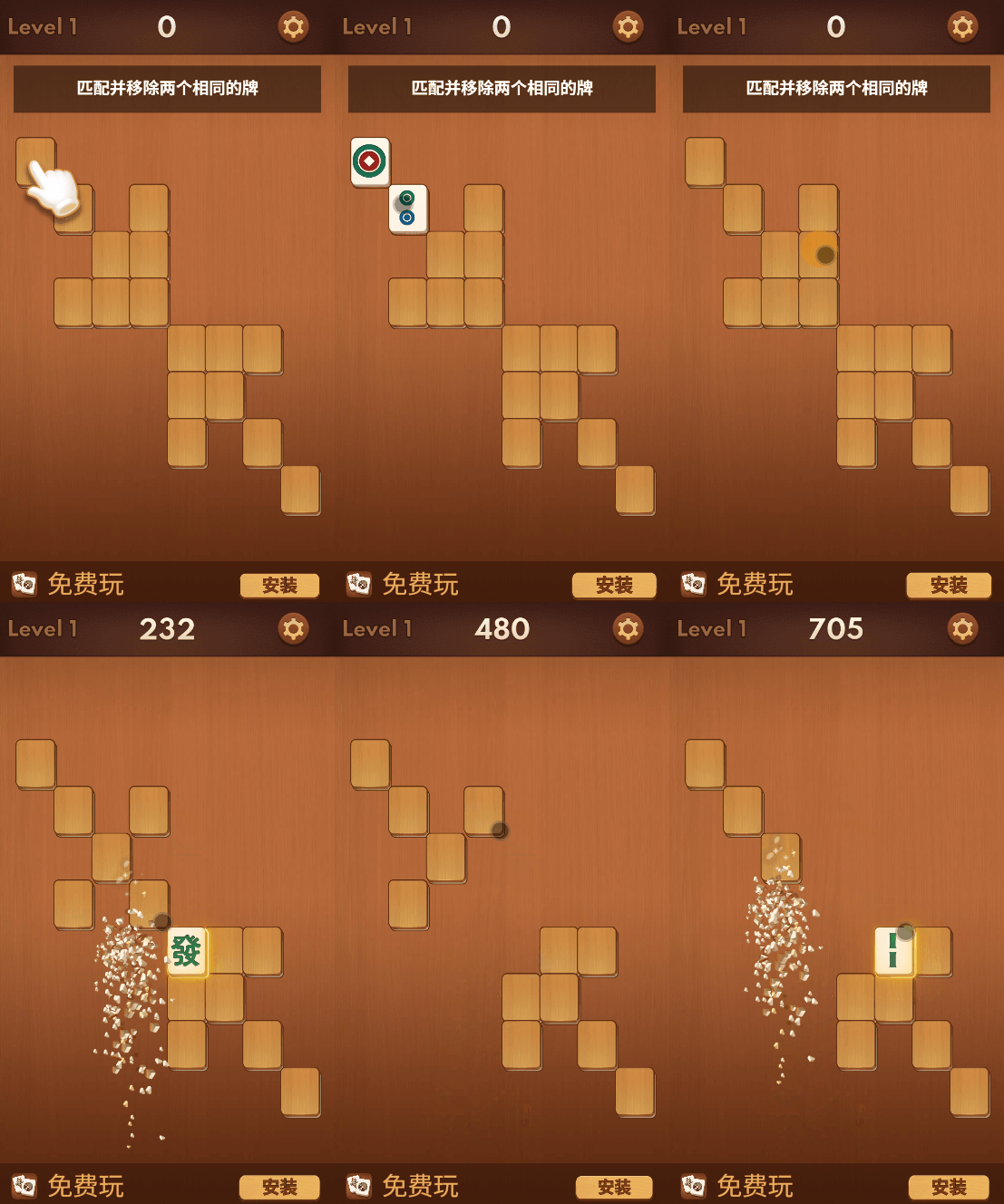
The playable displays a full-screen mahjong tile board, and visual cues such as guiding fingers and glow effects indicate which tiles users can tap. It begins with a simple tutorial, where tapping two matching tiles clears the pair.
When the user attempts the playable, incorrect tapping will trigger immediate feedback like a red flash or an error sound to help them understand the rules. As they successfully remove the pairs, new tiles will drop into place to encourage continuous engagement.
Swipe-to-Match
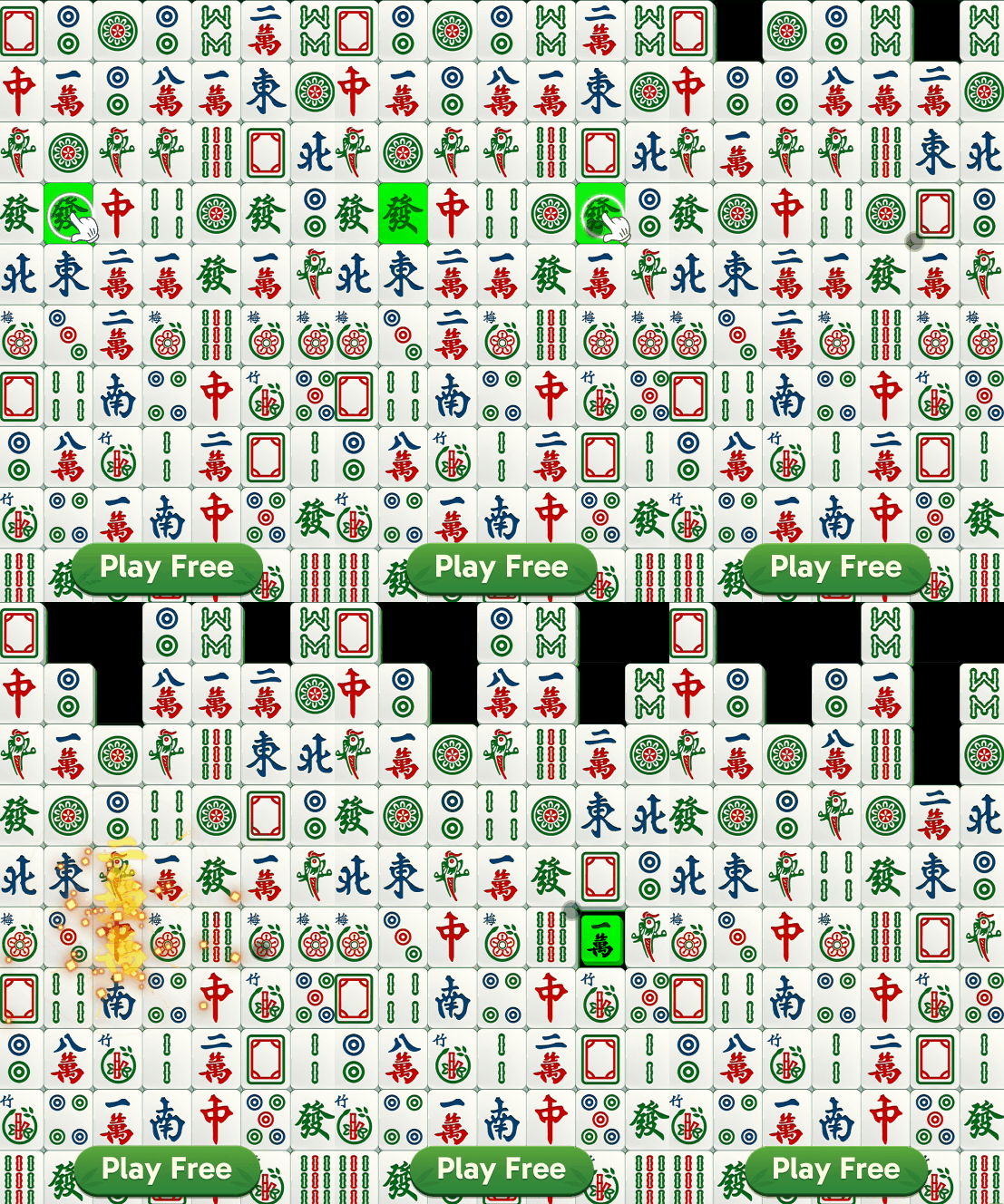
Swipe-to-match builds on familiar mechanics while adding a more dynamic interaction.
The board layout is more structured, usually emphasizing horizontal or vertical movement. As with other creatives, there are visual cues at the start to help players understand they need to swipe to make a match.
The playable begins with the user dragging a tile into position to complete a simple match-3 combination. The experience stays short, usually wrapping up after a few successful matches, then transitioning to a CTA.
Flip-to-Match
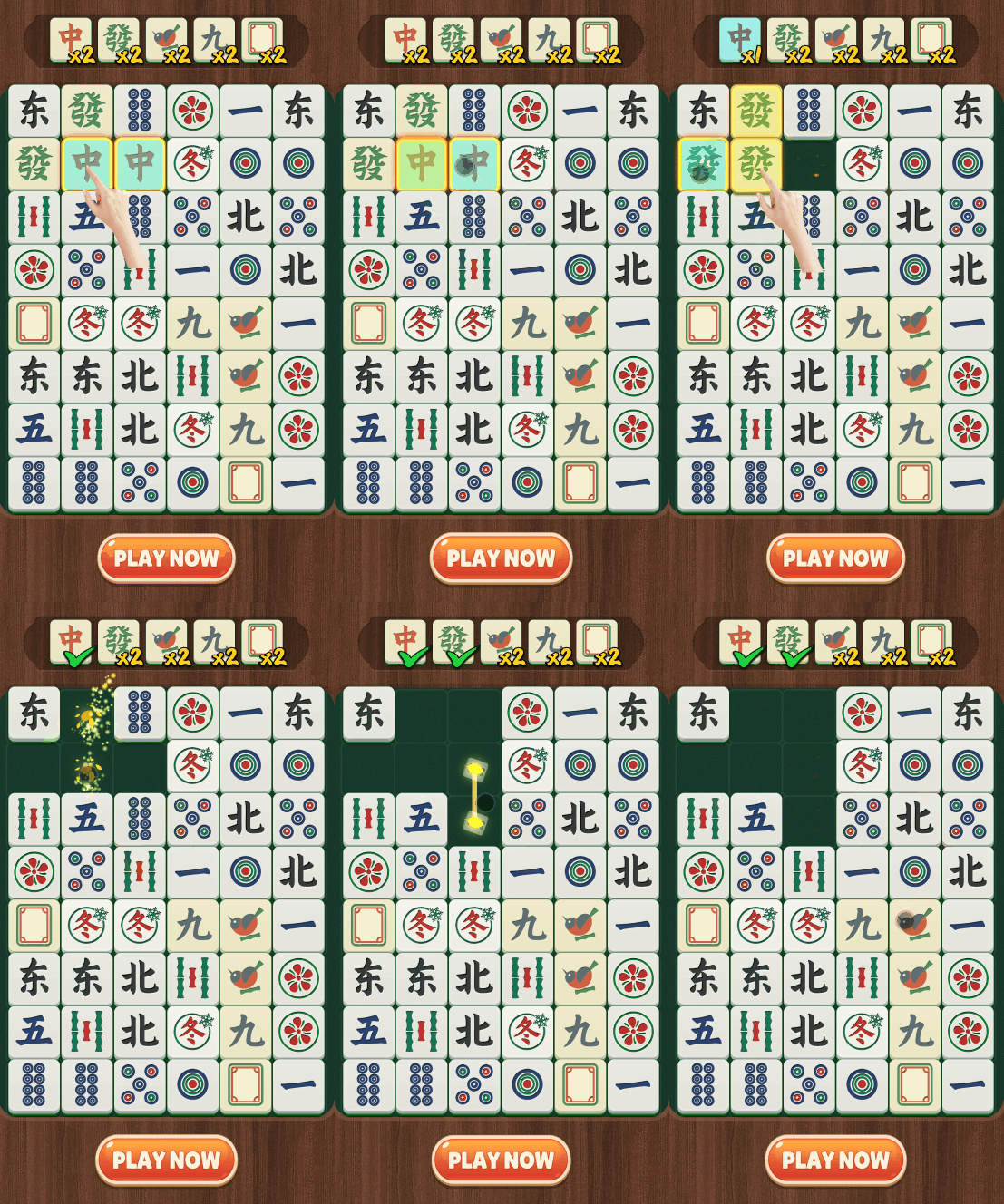
Flip-to-match adds a puzzle layer, turning the experience into a light brain teaser.
In these playables, the mahjong tiles are placed face down in an organized grid, prompting users to reveal hidden pairs. Users tap to flip one tile, then pick another. Matching tiles disappear, while mismatched tiles flip back. This mechanic encourages repeated attempts, as users try to remember tile positions and complete the board.
Shelf-Style Match-3
This format reimagines Mahjong gameplay by introducing spatial organization and match-3 mechanics.
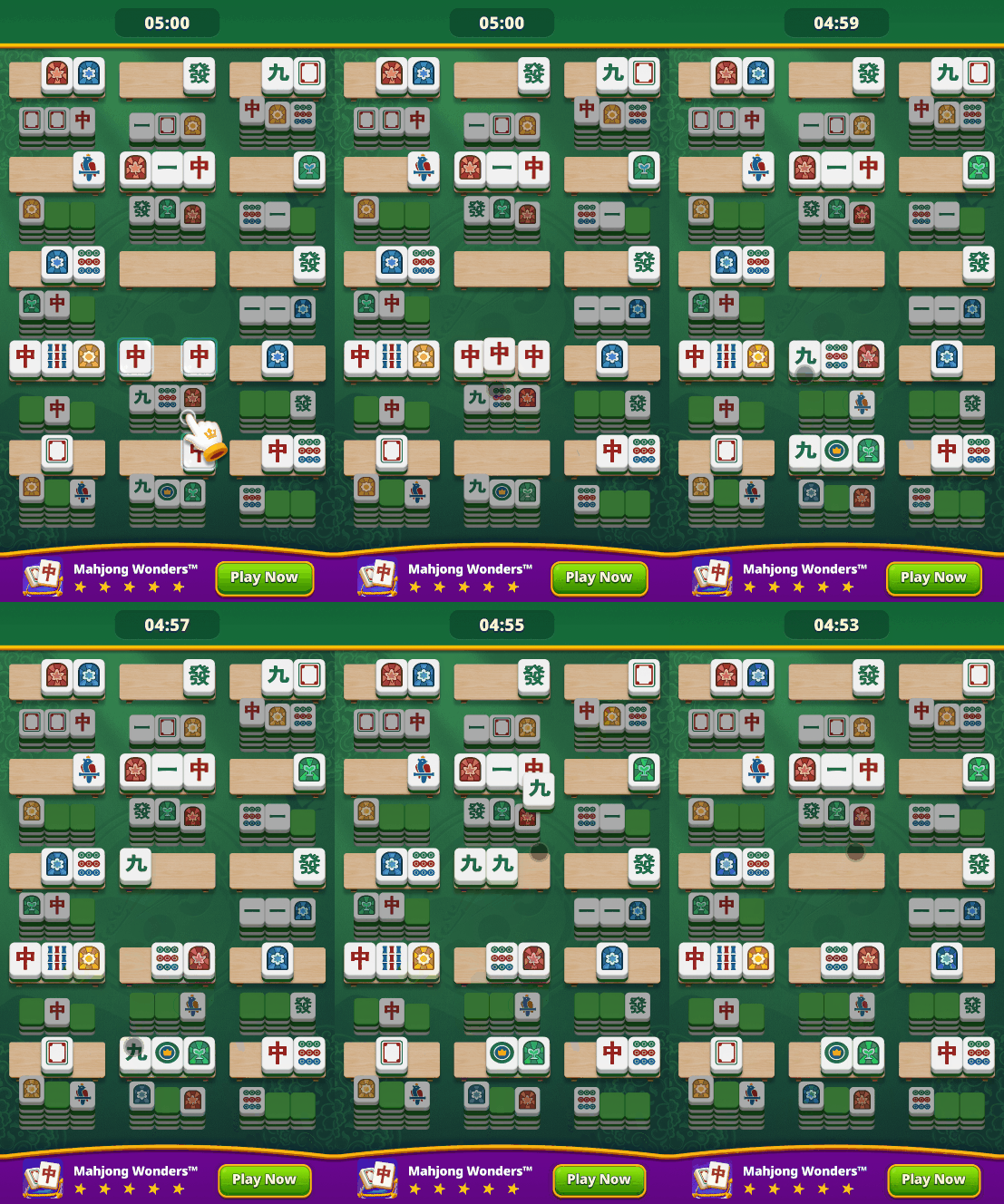
The mahjong tiles are stacked on shelves or in layers, and players tap or drag tiles into an interaction area to create sets. When three identical tiles line up, they are automatically cleared, and new tiles will appear.
The limited number of available slots in the interaction area encourages strategic thinking, as users need to choose tiles carefully to avoid filling up. This playable creative involves a longer process, usually transitioning to the CTA after multiple rounds of dragging and matching.
Create Winning Creatives with Playturbo
Playturbo empowers mobile app advertisers to create high-performing mobile video and playable ad creatives at scale. With a vast library of up-to-date video templates, users can easily stay on top of the latest creative trends and customize elements such as visuals, copy, and music.
Users can also edit their videos on Playturbo, including resizing and language adaptation, batch production, and more. And for teams looking to turn video ads into interactive experiences, Playturbo's Interactive Video Editor offers a seamless transition.
Ready to elevate your ad strategy? Explore Playturbo's innovative solutions and discover how we support developers to generate high-performing AI ads at scale. Follow us on LinkedIn to keep track of all our updates. Contact us today to kickstart your journey with video ads!