Creative Best Practices for Tile Swap Ads in 2026
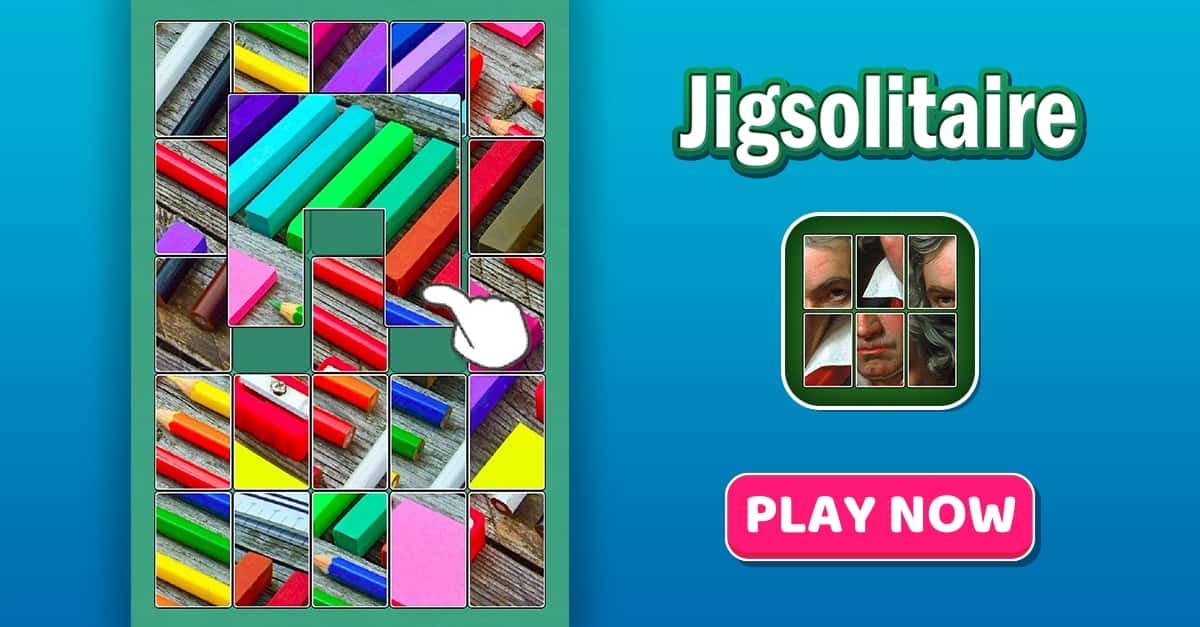
Tile swap games are puzzle games in which players reorder scrambled adjacent tiles on a grid to form a complete image or numerical sequence.
Their rules are intuitive, and the visual feedback of snapping a puzzle piece into place is immediate and satisfying.
In this blog, we break down the creative strategies behind these successful formats and explore how creative automation platforms like Playturbo can help scale, iterate, and optimize them across global markets.
Best Practices for Tile Swap Video Creatives
Tile swap video creatives stand out for two main reasons: visually appealing graphics and the inherent engagement through watching a puzzle come together.
Looking at top-performing videos, tile swap creatives do not rely on storytelling, but on straightforward rules, clear value propositions, and striking visuals to deliver the best results.
Gameplay Demonstration
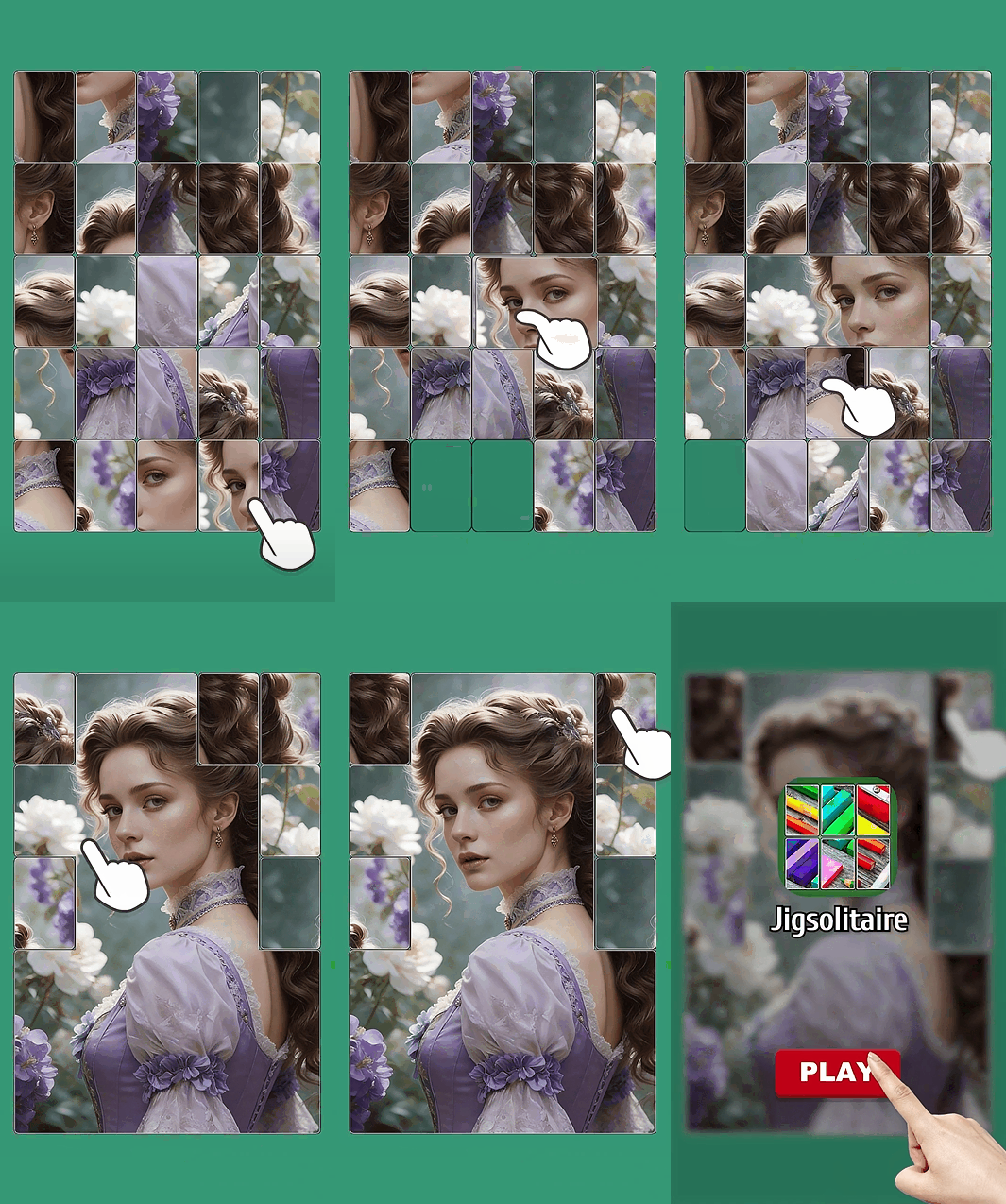
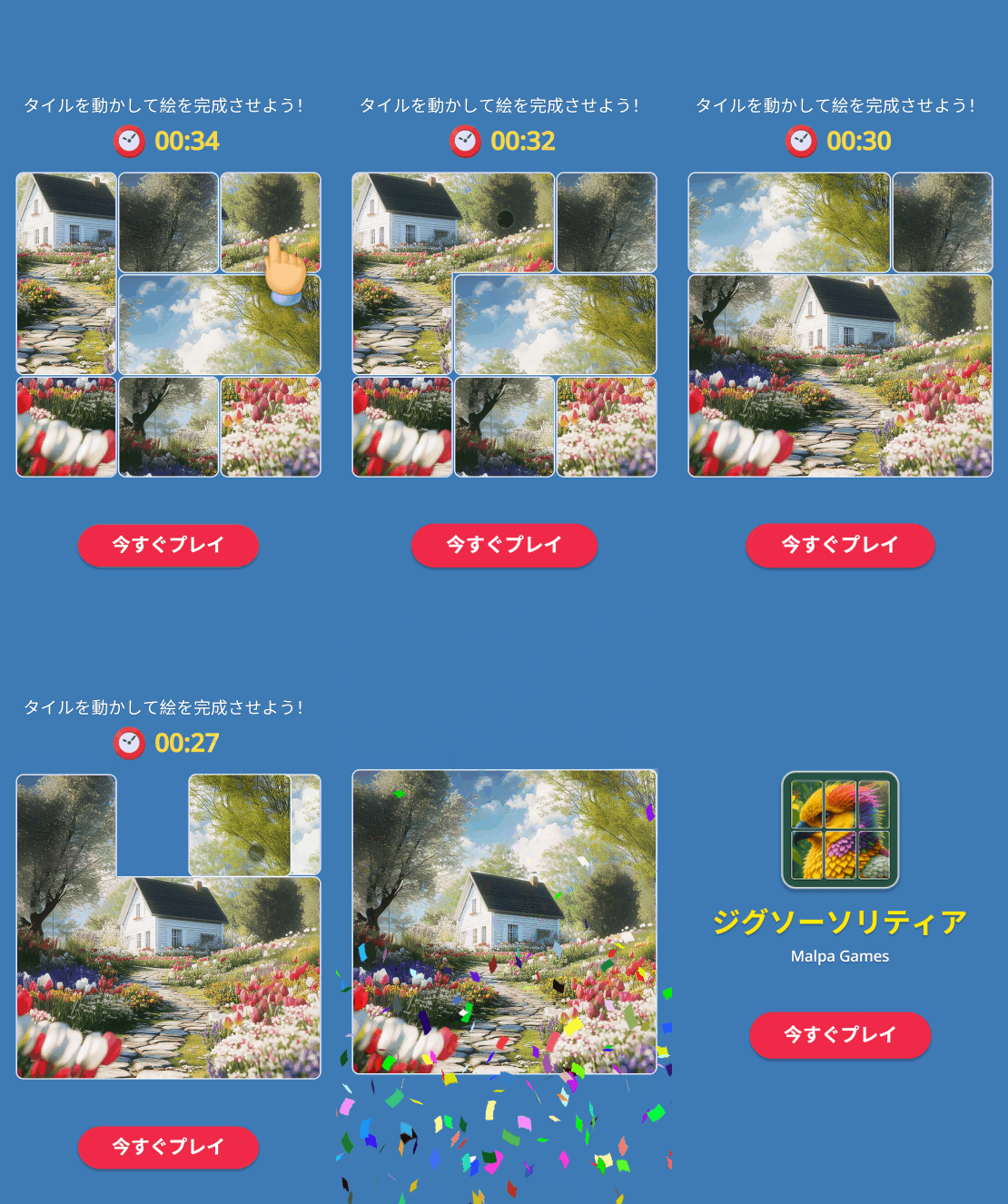
Gameplay demonstrations typically feature a minimal UI and center the puzzle board to keep attention on the core interaction.
In addition, bold colors and clear imagery make it easy for users to see how each move contributes to completing the picture.
One common approach is to showcase a single level throughout the video, progressively swapping tiles until the image is nearly complete, then triggering a CTA (Call-to-Action) just a few moves before completion.
Another approach is to include multiple levels in one video, showcasing different image themes while maintaining consistent gameplay.
In both cases, the pacing focuses on steady progression and visual payoff, immersing users in the process of getting closer to completion.
Value-Focused
This format shifts the focus from gameplay to positioning and perceived value. Instead of showing the solving process, these creatives highlight a variety of puzzles through rapid visual transitions.
The videos communicate key benefits, such as "brain training" or "stress relief," while rotating through different puzzles, so users can learn about the game's pros and replayability. Compared to gameplay-driven creatives, the pacing here is faster and more presentation-led, typically ending with a direct and clear CTA.

Best Practices for Tile Swap Playable Creatives
While tile-swap playables appear simple on the surface, top-performing creatives succeed by guiding users through a structured, satisfying interaction flow.
Effective playables do more than present the mechanic — they shape the experience around three core engagement drivers: visual completion, progression, and challenge. Each format uses the same core gameplay but emphasizes different user motivation.
Single-Puzzle Experience
This is the most widely used and consistently high-performing format.
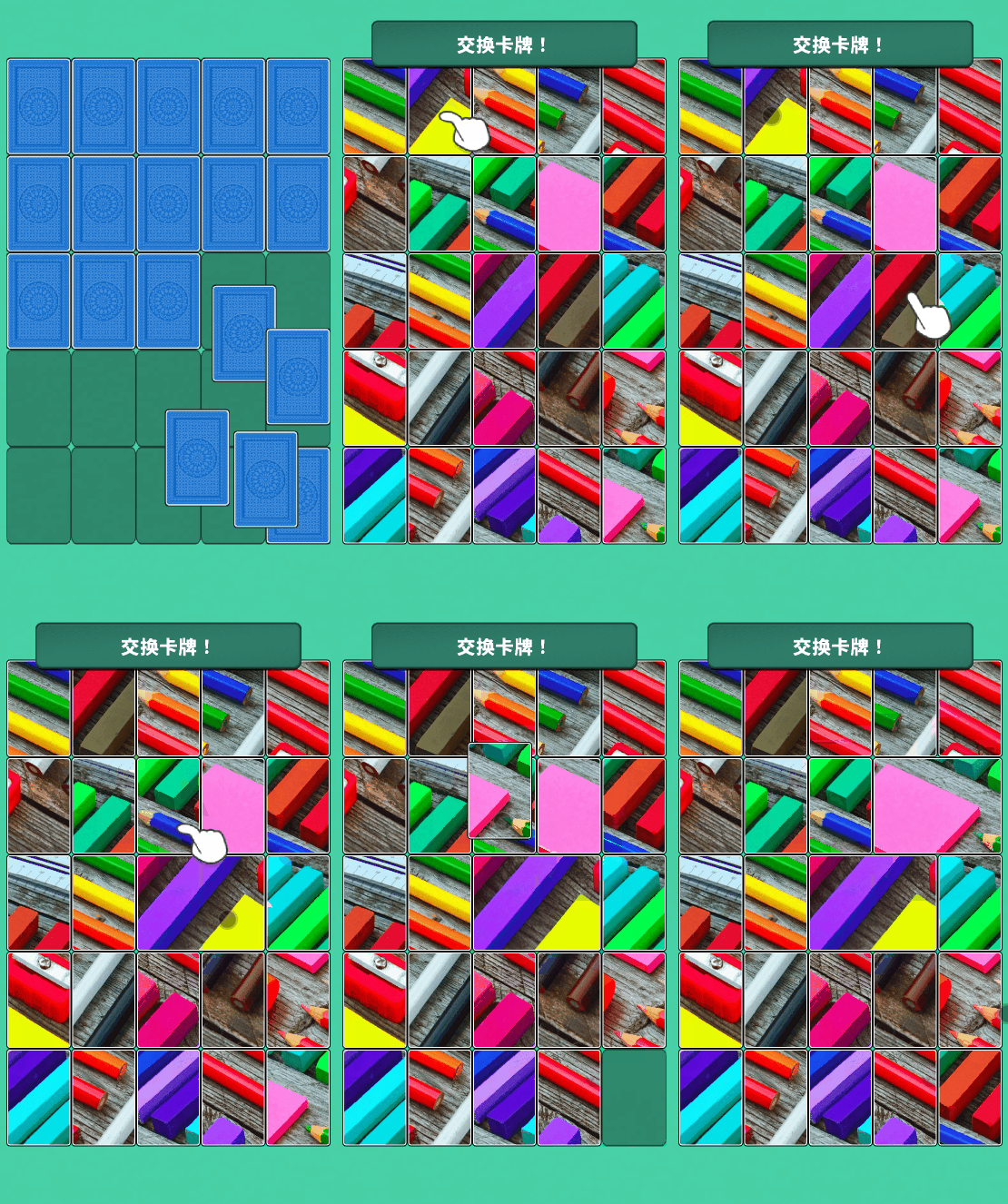
The playable centers on a single 4×4 or 5×5 puzzle with minimal UI, keeping full focus on the board. These creatives do not include complex mechanics. They simply let users drag tiles to swap positions and gradually restore the image, creating a clear and intuitive interaction loop.
Some versions allow users to fully complete the puzzle before triggering the CTA, while others introduce the CTA earlier, like after 4–5 successful swaps, once the main subject becomes recognizable, balancing engagement with conversion efficiency.
Multi-Level Progression
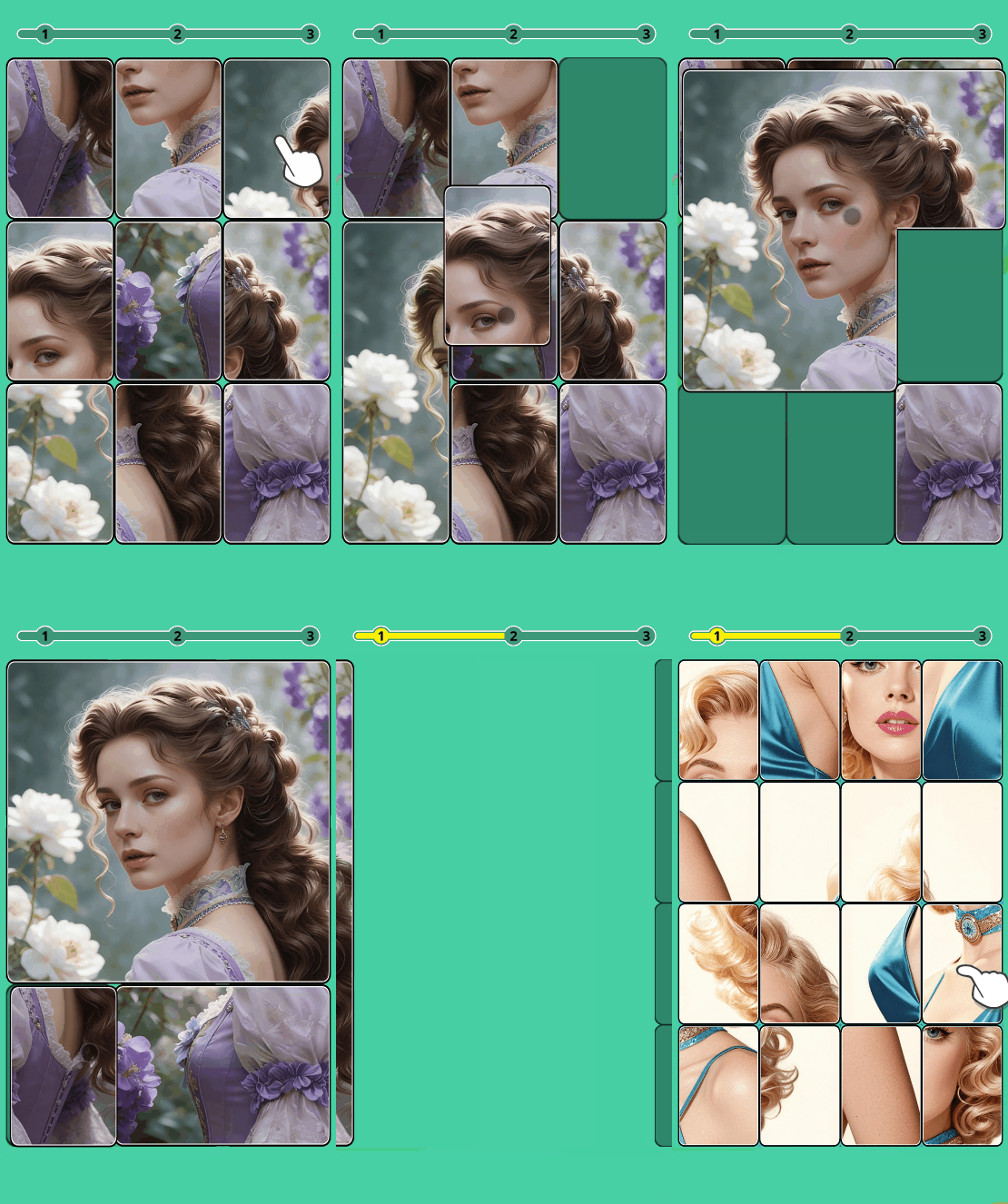
This format emphasizes progression by simulating multiple levels within a single playable. While not as widely used as the single-puzzle format, it is particularly effective for onboarding and demonstrating increasing complexity.
The experience typically starts with a simple 2×2 or 3×3 grid. As users advance, grid size and complexity increase, introducing new visuals and patterns. Some creatives also display progress indicators and level markers at the top to reinforce momentum, making the experience feel closer to actual gameplay.
In general, they trigger the CTA after two or three levels, or at a noticeable difficulty spike, creating an irresistible urge to finish the challenge.
Timed or Limited-Move Challenge
This format is less commonly used but effective for testing challenge-driven creatives. While it's not the most widely applicable approach, it excels at creating suspense and turning near-failure moments into motivation to keep going.
These creatives introduce additional challenge layers on top of the standard puzzle board, such as move limits, countdown timers, or task indicators. From the opening frame, the playable highlights these constraints alongside the interaction prompt, immediately placing the user in a time- or goal-driven scenario.
As users swap tiles, the remaining time or moves decreases in real time, steadily increasing tension. If users complete the puzzle within the limit, the playable ends with a success moment followed by a CTA. If they fail, a "Time's Up" or "Try Again" prompt redirects that frustration into motivation to continue, encouraging users to download the app and retry.
Create Winning Creatives with Playturbo
Playturbo empowers mobile app advertisers to create high-performing mobile video and playable ad creatives at scale. With a vast library of up-to-date video templates, users can easily stay on top of the latest creative trends and customize elements such as visuals, copy, and music.
Users can also edit their videos on Playturbo, including resizing and language adaptation, batch production, and more. And for teams looking to turn video ads into interactive experiences, Playturbo's Interactive Video Editor offers a seamless transition.
Ready to elevate your ad strategy? Explore Playturbo's innovative solutions and discover how we support developers to generate high-performing AI ads at scale. Follow us on LinkedIn to keep track of all our updates. Contact us today to kickstart your journey with video ads!