Creative Best Practices for Pixel Sorting Games in 2026

Sorting-and-clearing games are not new. What is changing is their ad packaging. Newer creatives pair color matching with a recognizable pixel image, limited collection space, and a visible clearing process. A tap removes part of a picture the user wants to finish.
That gives the format a clear advertising advantage: the goal is readable at a glance, the rule is quick to understand, and every correct action produces proof of progress. Across pixel blocks, ant-carrying, and yarn-pulling themes, the same system recurs: give users a picture to clear, make capacity visible, and turn collection into an active visual event.
The Collection Path Sets the Creative Tempo
The most important difference in this category is not whether the theme uses pixels, yarn, or characters. It is what happens after the user taps. Two common collection paths create two distinct kinds of pacing.
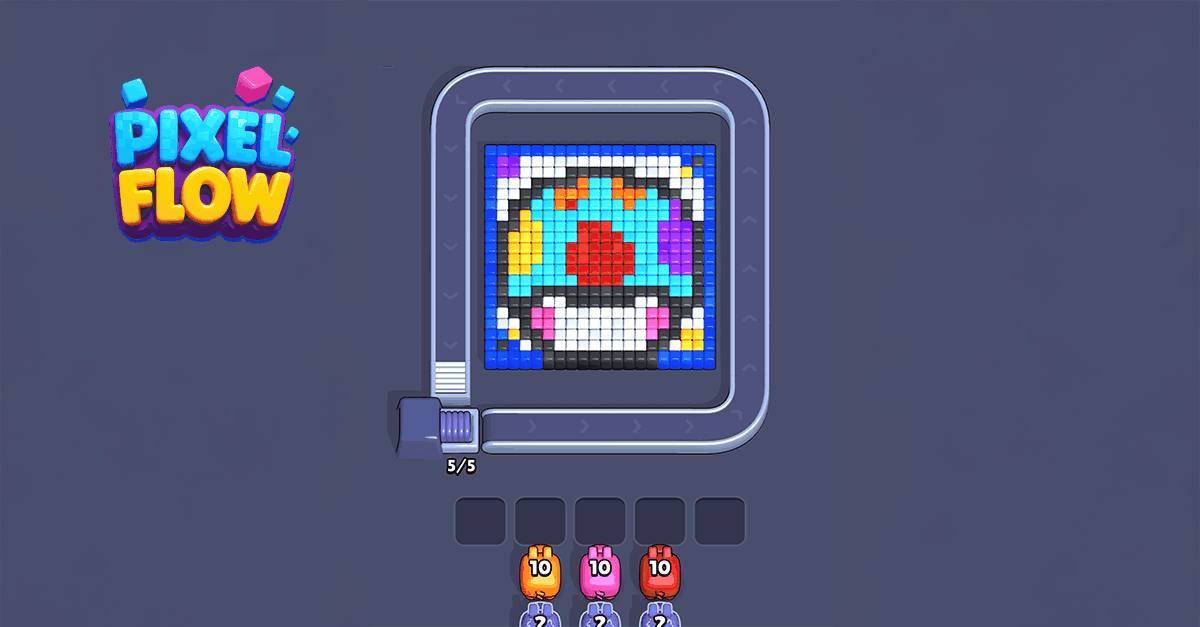
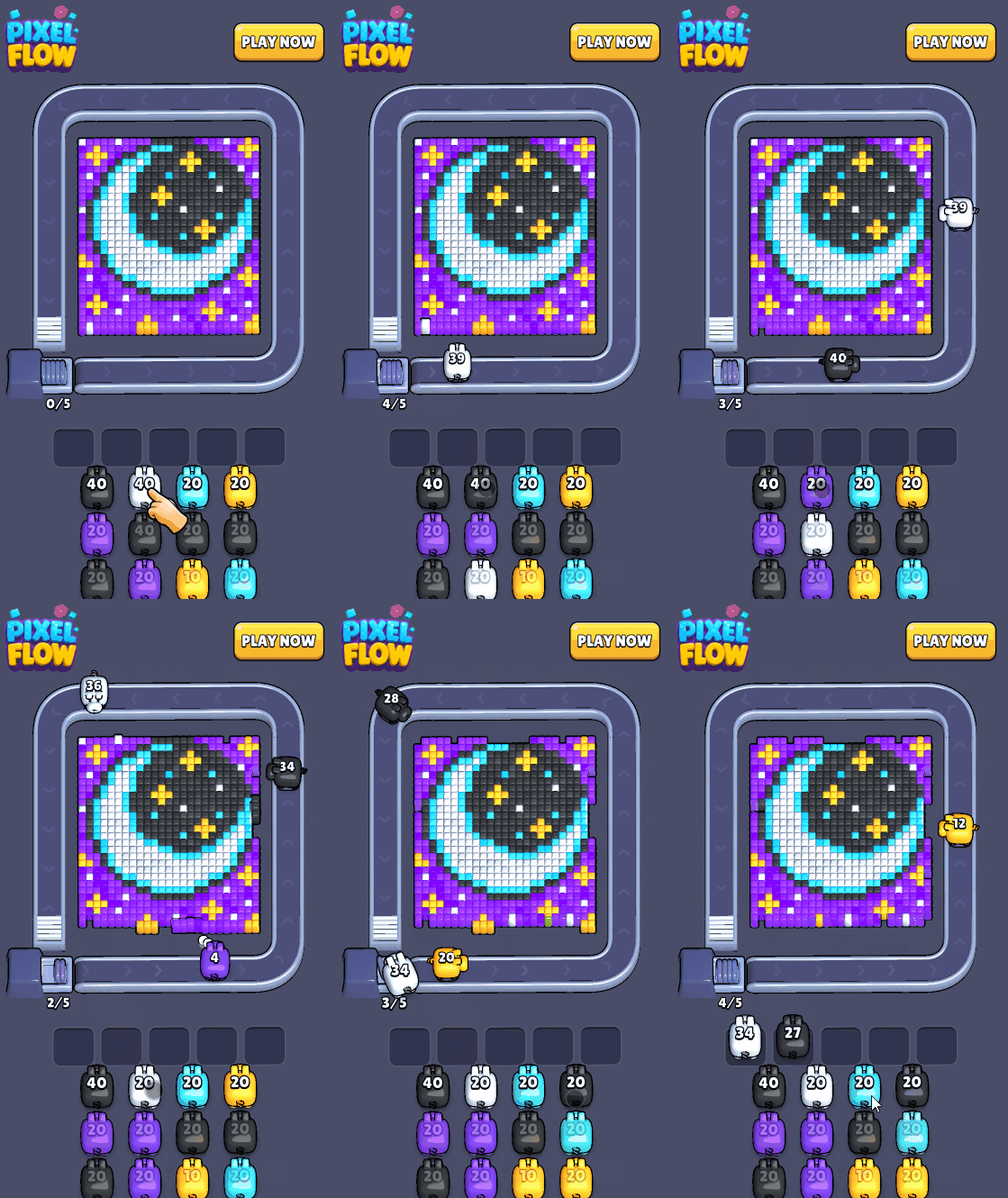
Conveyor-belt flows turn a tap into a short performance
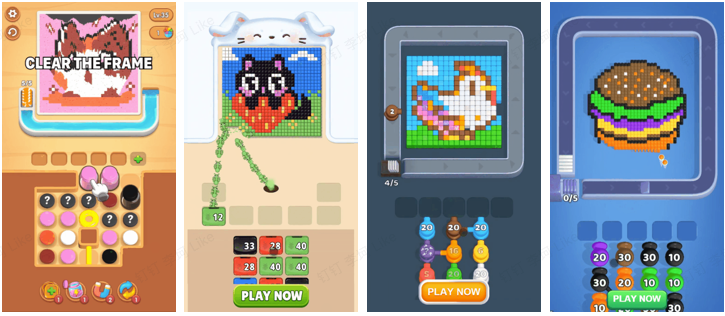
In conveyor-belt or looping-track variants, a selected unit enters a moving path and gathers matching items as it travels. This extends the feedback after each tap: capacity fills, colors queue up, and the central image gradually breaks apart.
For a playable, that motion makes the interaction feel more substantial without adding rules. For a video, it keeps the screen active between taps. The opportunity is in the sequence itself: tap, move, collect, clear, exit.
Fixed-slot flows make the rule easier to read
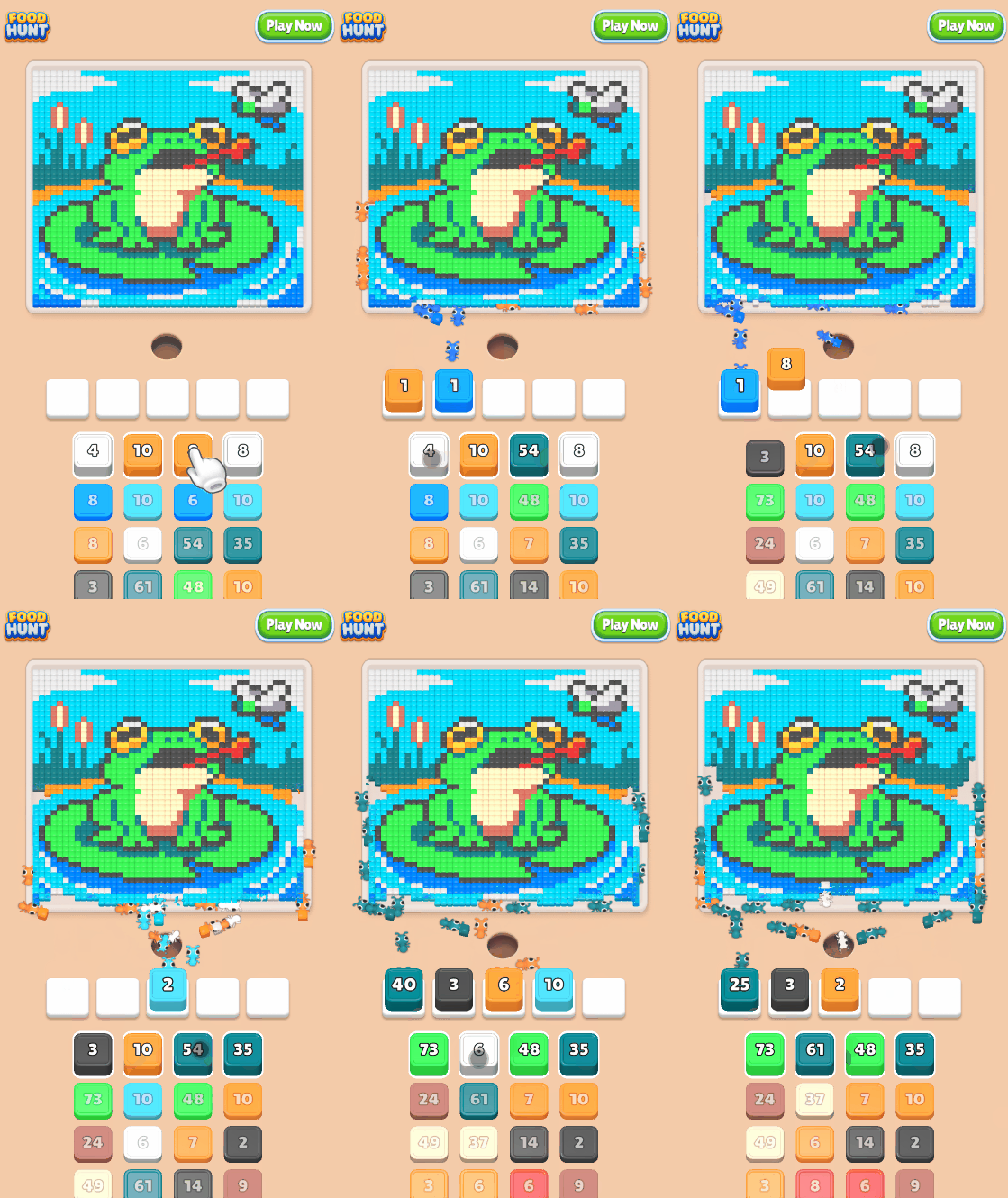
Fixed-slot variants take the opposite approach. A selected item moves directly into a central slot and immediately clears the matching part of the image. The path is shorter, the interface is calmer, and the relationship between choice, capacity, and outcome is easier to read.
Their tension comes from planning: which color can clear now, which will remain occupied, and whether there is room for the next move. Use a moving route to amplify spectacle, or fixed slots to foreground clarity and decision-making.
Four Creative Levers Behind the Format
1. The picture is both a level and a first-frame asset
A recognizable target image makes the end state understandable before the rules are fully explained. Animals, food, and cartoon characters work well because their silhouettes and color zones remain clear in a small ad frame.
It is also a practical source of variation. Keep the mechanic stable while changing the central image from a pet to a fruit, toy, or character. Highly fragmented or abstract images are less useful at the opening because they hide the goal when clarity matters most.

2. Limited slots create fair, visible pressure
Color matching alone is rarely enough to feel strategic. The real decision space comes from limited capacity: can an item clear something now, will it occupy a slot for too long, and is there room for the next choice?
Because the pressure is visible, it feels fairer than an arbitrary fail state. A nearly full track, a blocked slot, or a missing key color can create suspense without intentional mistakes. Keep capacity, occupied colors, and remaining counts legible; they are the source of the format's tension.
3. Continuous feedback makes basic sorting watchable
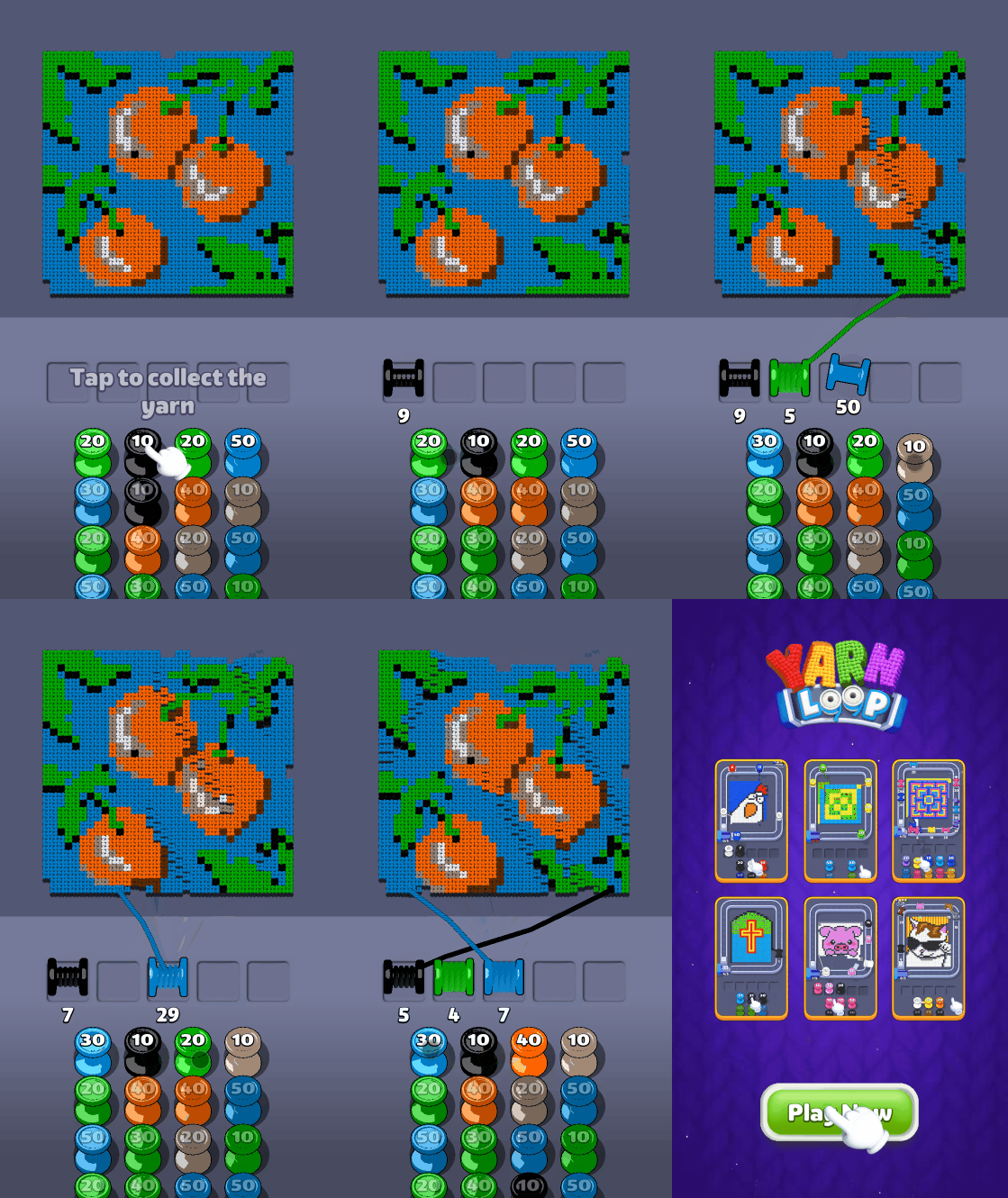
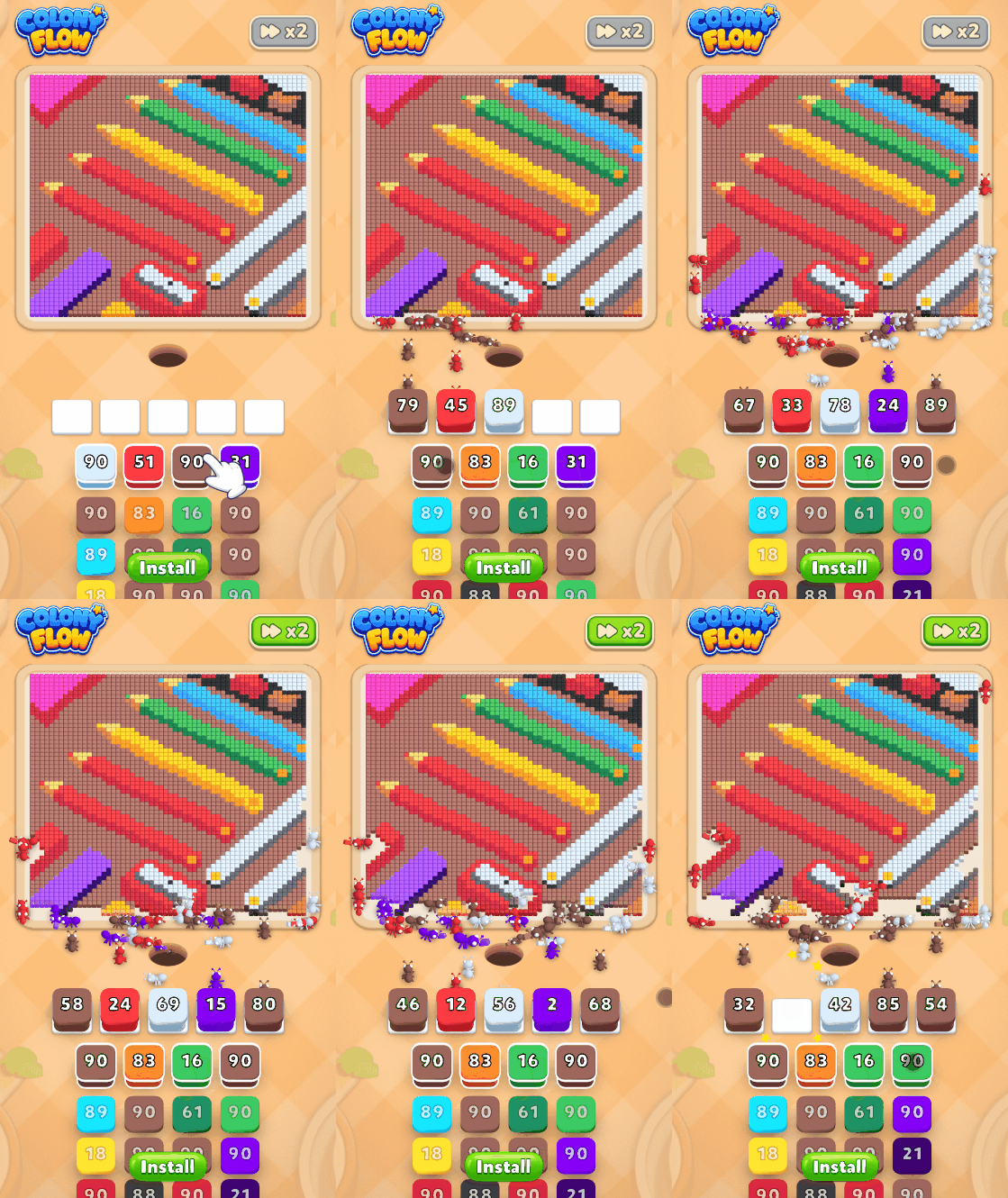
Conveyor movement, ant-carrying, and yarn-pulling are visual wrappers for the same idea: extend a correct match into a process. Objects move, counts drop, pixels fall away, and sound effects confirm progress.
Avoid long stretches where nothing changes after the first action. The first tap should quickly trigger a clear response, and the feedback chain should make cause and effect easy to follow.
4. Gameplay and packaging should work as a mix
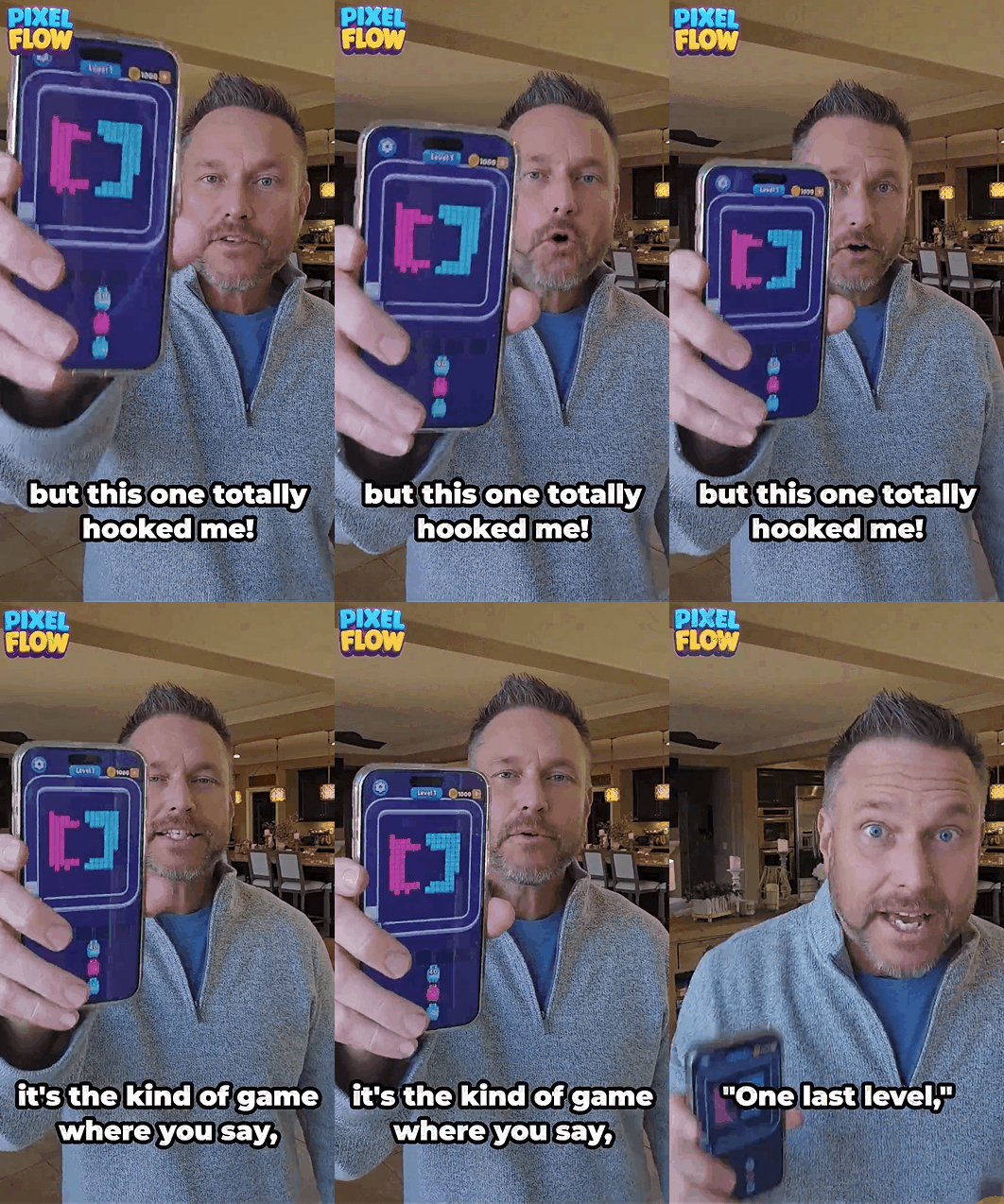
Straight gameplay demonstration is the dependable foundation because it communicates the actual loop. The same level can also use a thematic, polished 3D-style opening that maps back to the in-game subject, or a presenter-style recommendation before gameplay begins.
These formats are complementary. A themed opening earns attention; a presenter adds a human point of view; gameplay must then demonstrate the rule clearly. Keep the gameplay base stable while varying the entrance.
What This Means for Playable and Video Creatives
Playable ads should reveal the interaction fast: tap a candidate unit, show where it goes, make the image react, and expose the capacity constraint. A short sequence is enough; ending while the picture is incomplete can preserve the desire to continue.
Video ads need to give viewers a reason to stay before gameplay can explain itself. Native demonstrations are the most direct option. Themed openings can create a stronger first moment, while presenter-style videos can frame the challenge as a recommendation before reconnecting to the real product.
The key is continuity. If the opening uses a food image, toy launcher, or ant-carrying scene, the gameplay transition should carry that idea forward.
A Creative Variation Map
Treat this genre as a modular creative system rather than a series of unrelated concepts. Keep the core interaction stable, then build variations around a small set of creative decisions:
• Target image: Use a recognizable subject that makes the first frame easy to understand.
• Collection path: Choose a conveyor route for momentum or a fixed-slot layout for direct rule clarity.
• Capacity pressure: Build suspense with states such as one slot left, a blocked color, or a nearly full track.
• Opening wrapper: Pair the same gameplay with native footage, a themed visual opening, or a presenter-style introduction.
• Ending state: End after a satisfying clear, before a key choice, or while the picture remains incomplete.
This approach keeps the creative logic coherent while giving teams several ways to refresh the first frame, pacing, and viewing experience.
The Production Implication
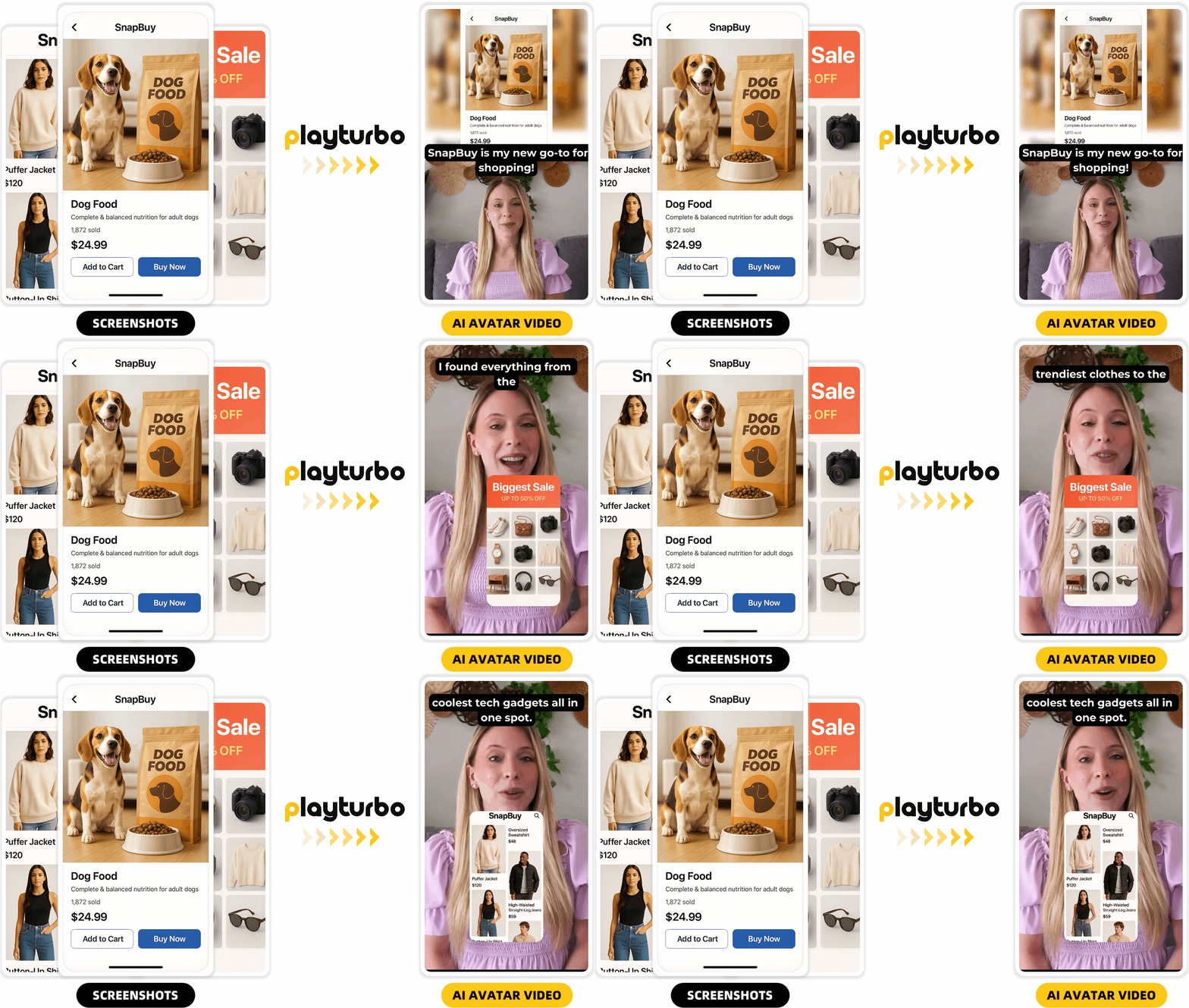
Playturbo can support that workflow across formats. Teams can use Video to Playable to turn existing video material into playable-style creatives, use layout templates for multi-ratio and multilingual adaptation, and explore presenter-style variants with AI Avatar Video. This workflow reduces repetitive production work and gives teams a more efficient way to build and adapt creative variations.
Final Takeaway
Pixel sorting earns attention through a compact creative loop. A recognizable goal gives the user something to finish, limited slots make each selection matter, and continuous feedback makes the result satisfying to watch.
The reusable idea is the system behind the visual treatment: ground the ad in real gameplay, protect clarity, use visible pressure to create suspense, and vary the artwork and packaging around a stable interaction.
Ready to elevate your ad strategy? Explore Playturbo's creative production solutions and discover how we help developers generate high-performing ads at scale. Follow us on LinkedIn to stay updated on our latest insights, creative breakdowns, and product updates. Sign up today to kickstart your next global ad campaign.