Creative Best Practices for Tricky Puzzle Games in 2026
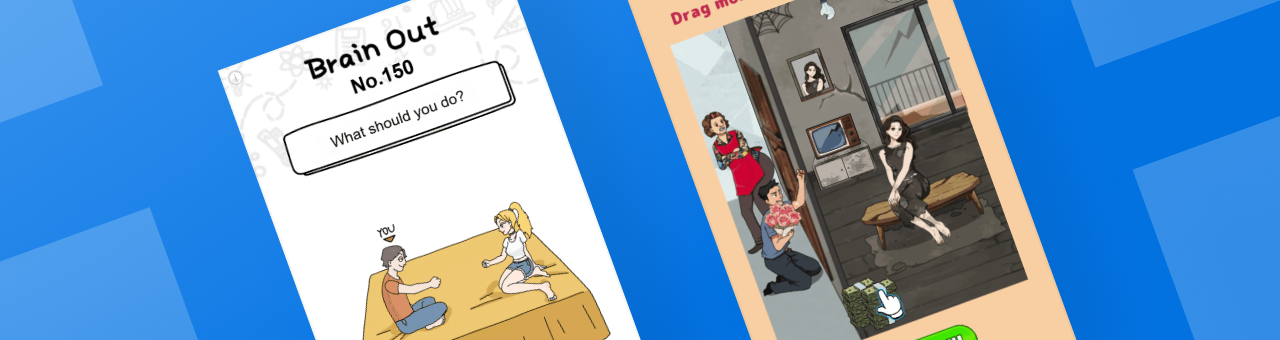
Tricky puzzle games have a useful advantage in mobile advertising: people can understand them almost instantly, but still want to prove they can solve them.
At first glance, the genre can look random. A strange question, an unexpected answer, a character in trouble, a room full of odd objects. But strong tricky puzzle creatives are rarely random. The best ones usually rely on a very clear structure: a simple goal, an obvious wrong assumption, and a quick reversal that makes the viewer think, "I would have tried that too."
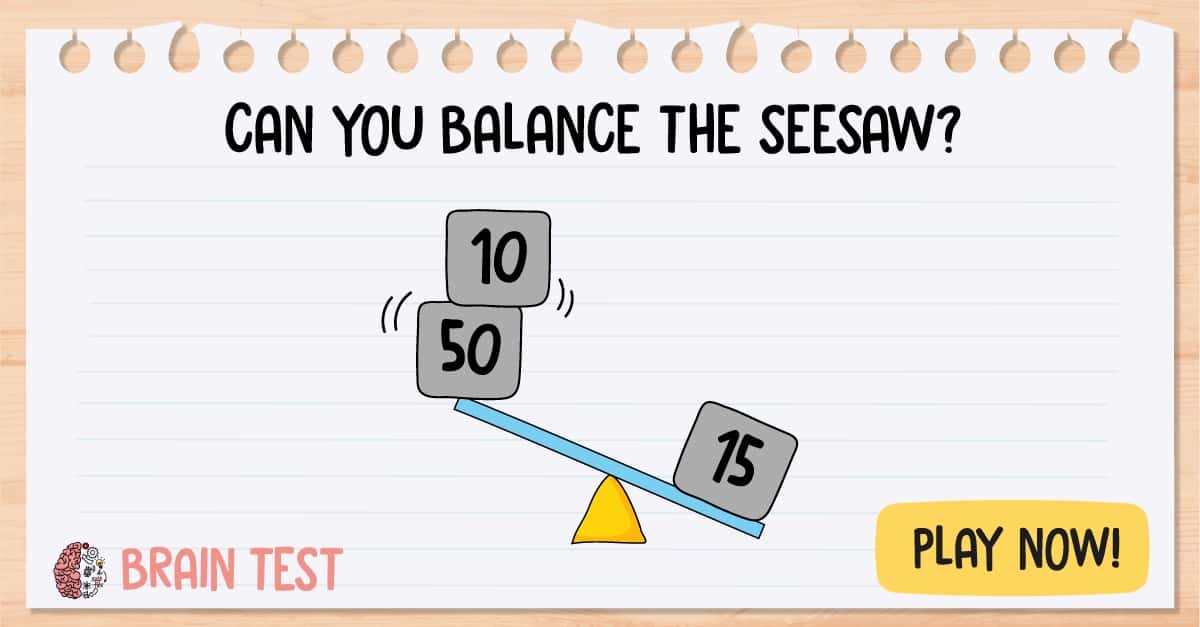
That structure is what makes the category so effective for playable ads, short videos, and high-volume creative testing. The puzzle does not need to be complicated. It needs to be readable, interactive, and just surprising enough to make users want to continue.
The Creative Logic: Make It Easy to Enter, Hard to Ignore
For tricky puzzle ads, the first job is not to explain every rule. The first job is to make the user understand what needs to be done.
A strong opening usually answers three questions immediately:
● What is the goal?
● What looks like the obvious solution?
● Why might that solution be wrong?
This is why short objective copy often works better than detailed gameplay explanation. Lines such as "Help her escape," "Find the clue," "Make the scissors win," or "Fix the room" give users a task before they even know the full mechanic. The finger guide, object movement, or first failed attempt can then explain the interaction visually.
The core rhythm is simple:
1. Show a clear problem.
2. Let the viewer predict the answer.
3. Break that prediction.
4. Invite them to try the next step themselves.
This "misread, reverse, solve" loop is the real creative engine behind the category.
Best Practice 1: Keep the First Screen Extremely Clear
Tricky puzzle creatives often win or lose in the first second. If the user needs too much time to understand the setup, the reversal never has a chance to work.
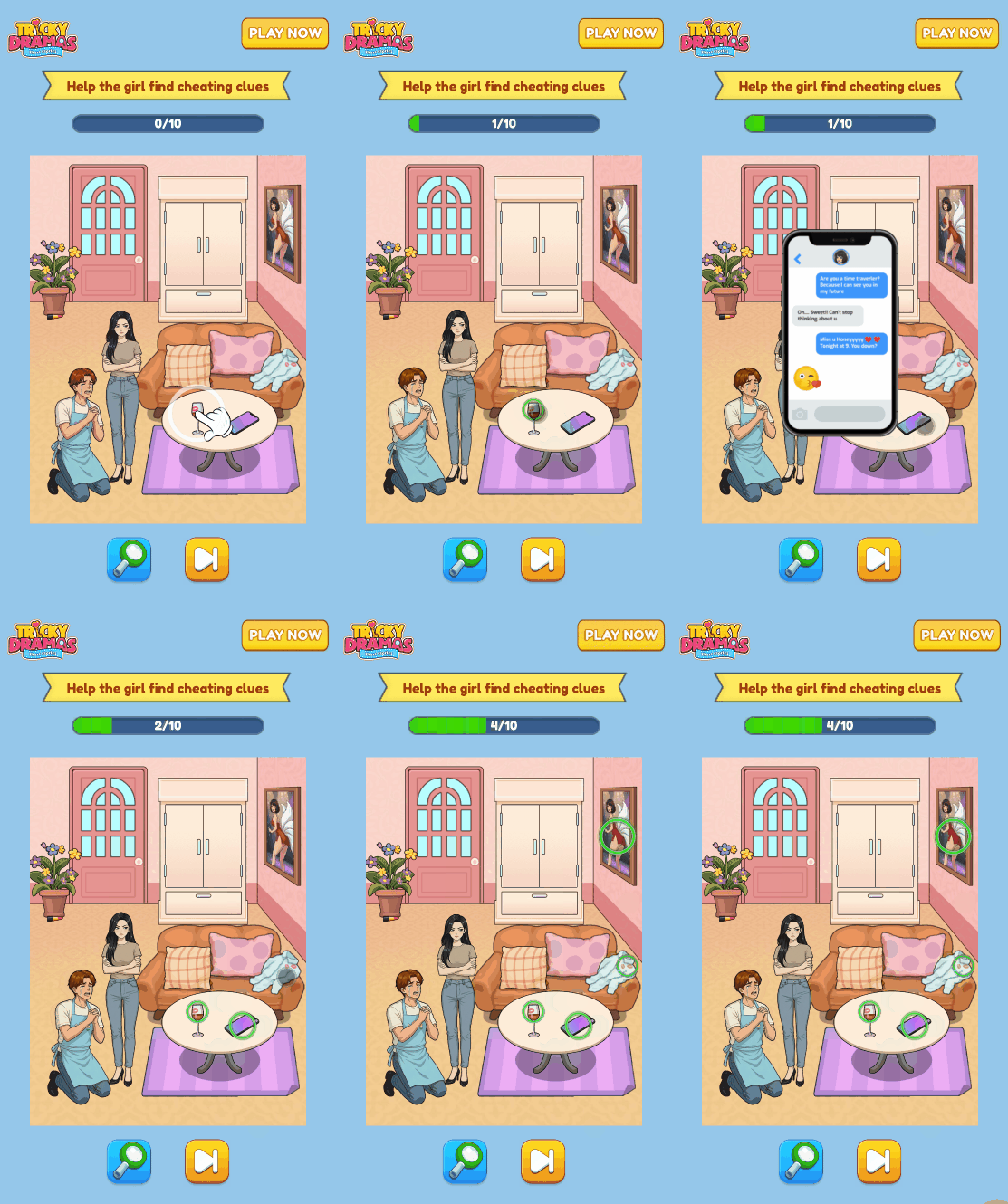
For playable ads, this means the opening screen should usually focus on one task, one main interaction, and one obvious point of attention. Minimal puzzle-card layouts work well for pure brain teasers, while richer scene layouts work better for makeover, rescue, evidence-finding, or relationship-driven puzzles.
For video ads, the same principle applies. The viewer should quickly understand who needs help, what is wrong, and what action is being demonstrated. A puzzle can be strange, but the goal should not be.
Practical tips:
● Use task-led copy instead of rule-heavy copy.
● Make the key object or conflict visually obvious.
● Avoid overcrowding the first frame unless the scene itself is the hook.
● Use hand guidance or device interaction to show what the user can do.
● Let visuals carry most of the meaning, especially for global campaigns.
Best Practice 2: Use Wrong Answers on Purpose
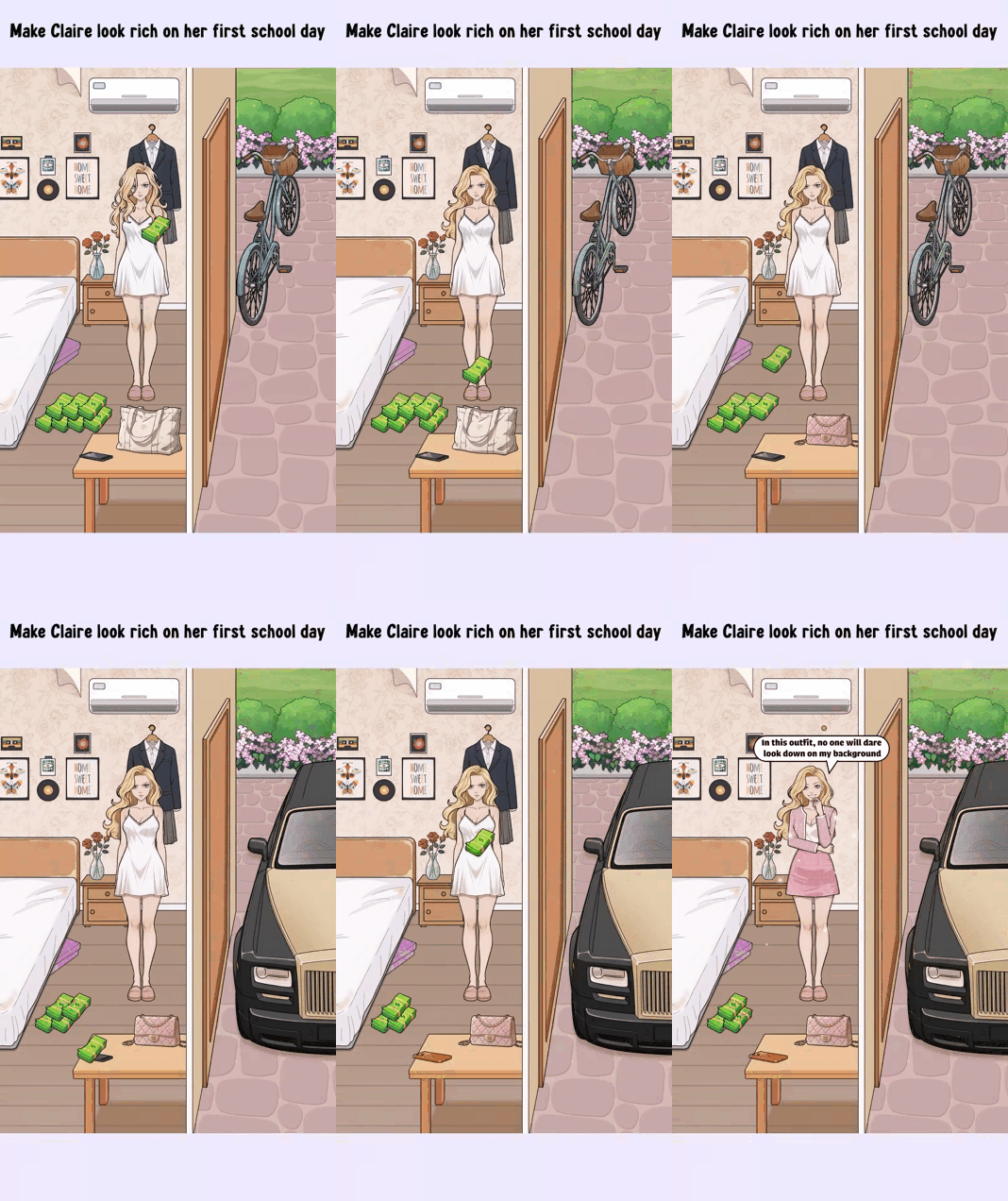
The most memorable tricky puzzle ads often show the wrong answer before the right one. This is not wasted time. It helps the viewer make the same assumption the game is about to overturn.
For example, a user may try the most logical object first, choose the most visible path, or follow the most conventional interpretation of the question. When that attempt fails, the creative creates a small gap between expectation and result. The unconventional solution then becomes more satisfying.
This works especially well in short videos, where a wrong move can create instant tension without needing a long setup. It also works in playable ads, where failure feedback can make users want to correct the mistake themselves.
Practical tips:
● Make the wrong answer feel reasonable, not foolish.
● Keep the failed attempt short.
● Use sound, visual feedback, or character reaction to make the failure clear.
● Reveal the correct solution quickly enough to preserve momentum.
● Test both success endings and "try again" endings.
Failure can be a conversion tool. A nearly solved puzzle, an unfinished level, or a bad ending can create a stronger urge to take over than a perfectly completed scene.
Best Practice 3: Add Emotion, Not Just Logic
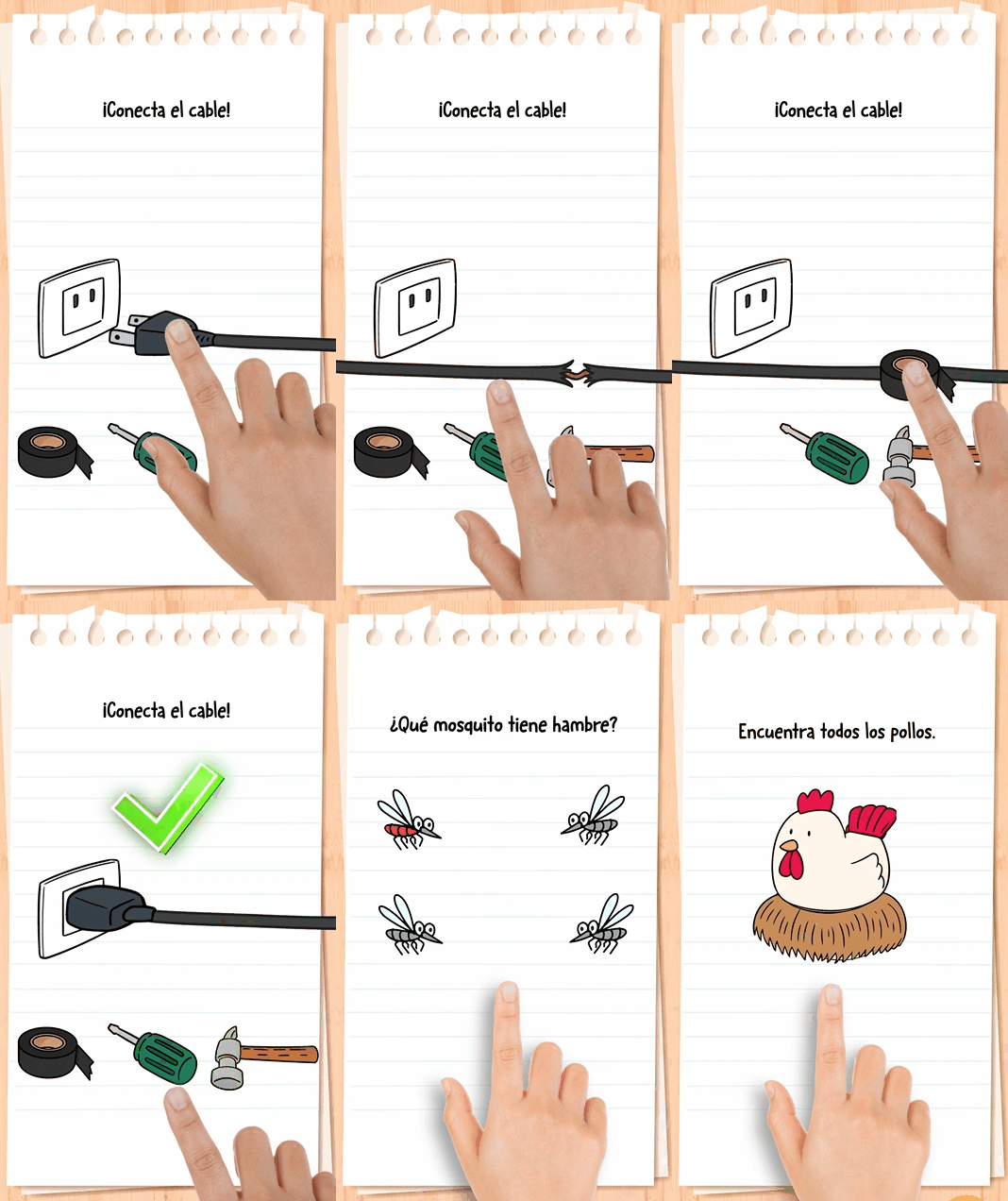
Many tricky puzzle creatives used to rely mainly on intelligence challenge: "Can you solve this?" More recent high-performing concepts often add an emotional reason to engage: "Can you help her?" "Can you expose him?" "Can you fix this situation?"
This shift matters because emotional hooks are easier to understand in a feed environment. A character who is embarrassed, trapped, cold, betrayed, or stuck gives users a reason to care before the puzzle mechanic begins.
Story-led puzzle ads do not need long narratives. In many cases, a facial expression, a relationship setup, a suspicious object, or a visible problem is enough. The goal is to create a situation users want to resolve.
Practical tips:
● Put the emotional conflict in the first frame.
● Use character posture and facial expression to explain the stakes.
● Keep the playable flow short, often three to four steps.
● Use evidence-finding, helping, repairing, or makeover goals to broaden appeal.
● Leave a small unresolved question before the CTA.
The puzzle still matters, but the emotional setup makes the click feel more natural.
Best Practice 4: Match the Format to the Hook
Not every tricky puzzle concept should be packaged the same way. Different ad formats are better at different jobs.
Playable ads are strongest when the user can understand the interaction immediately. They are ideal for single-puzzle challenges, drag-and-drop scene improvements, drawing mechanics, erasing, connecting, finding clues, and short help-the-character flows.
Short videos are strongest when the concept needs a fast demonstration. They work well for showing one wrong attempt, one reversal, or several puzzle levels in quick sequence.
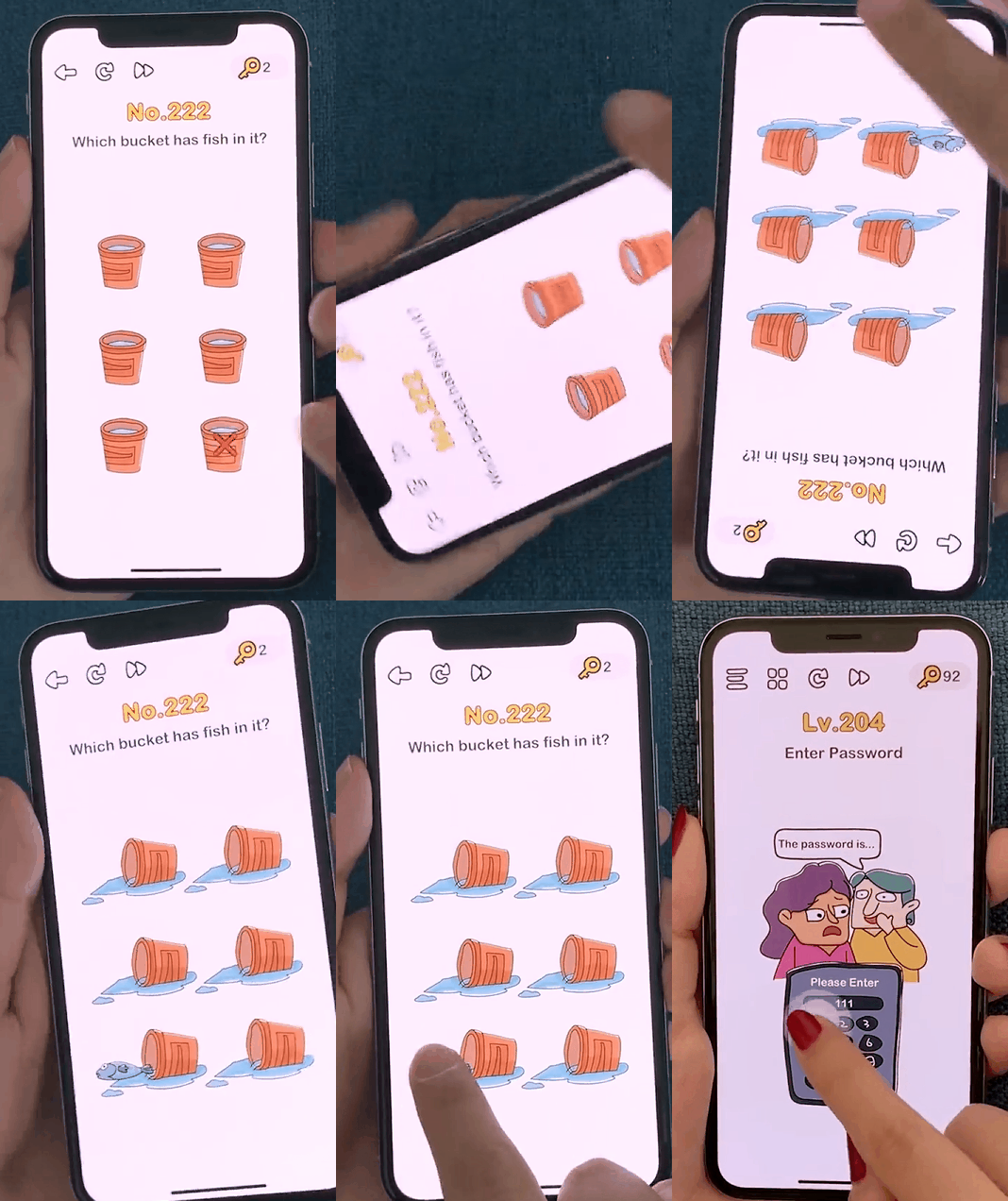
Real-device videos can help reduce the feeling of a polished ad. Showing a phone or tablet being played by hand can make the creative feel closer to user-generated content, especially on short-form video platforms.
Static images can still be useful when the first screen is strong enough on its own: a clear task, a visible conflict, a funny contradiction, or a scene that makes users want to know the answer.
The format should support the hook, not compete with it.
Best Practice 5: Build for Iteration From the Start
One reason tricky puzzle games are powerful for user acquisition is that the structure is repeatable. Once a team finds a working pattern, it can test many variants without reinventing the entire creative.
The stable elements are usually:
● Goal
● Scene or puzzle setup
● Obvious wrong answer
● Unexpected solution
● Feedback moment
● Ending or CTA
The replaceable elements are almost endless: character type, relationship, object, location, puzzle rule, visual style, language, ending, CTA timing, and level order.
This makes the category a strong fit for creative testing matrices. A team can test a pure brain teaser against a story-led version, a success ending against a failure ending, or a clean screen recording against a real-device demonstration.
The goal is not to produce more variants randomly. It is to keep the structure consistent while changing the variables that may affect attention, understanding, and intent.
How Playturbo Can Support This Workflow
Tricky puzzle creatives are especially suited to template-based and AI-assisted production because the creative framework is stable while the details need frequent testing.
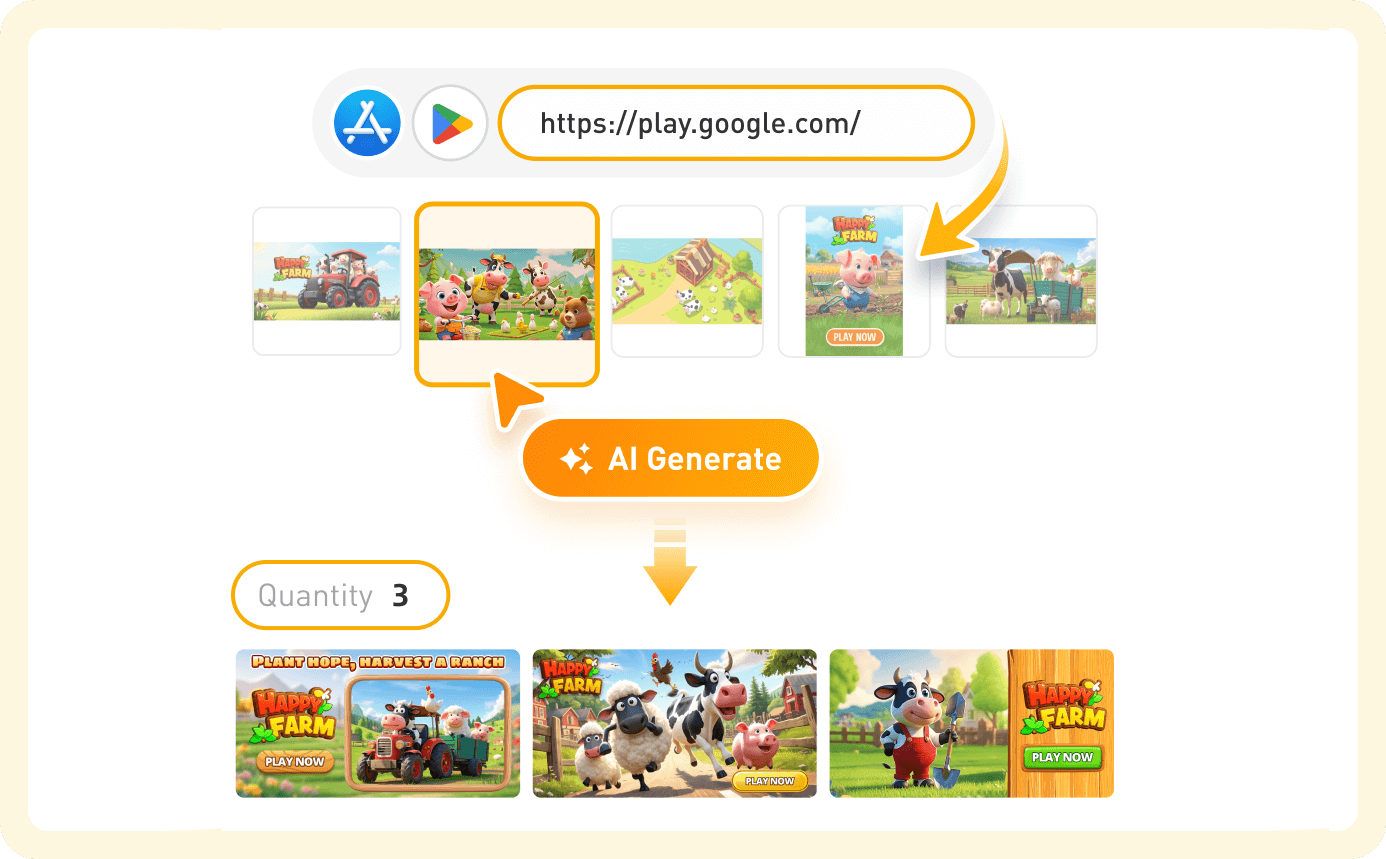
Playturbo supports teams with playable templates, an editable playable ad workflow, video creative tools, and creative generation capabilities that can help advertisers build, adapt, and scale puzzle-style ad creatives more efficiently.
For teams testing multiple levels, endings, languages, ratios, or format variations, this kind of production workflow can reduce repetitive manual work and make creative iteration easier to manage.
Final Takeaway
Tricky puzzle games may look absurd, but effective tricky puzzle ads are highly structured. They work because users understand the goal quickly, make a prediction, see that prediction challenged, and feel motivated to continue.
For mobile game advertisers, the opportunity is to treat the category as a repeatable creative system. Keep the goal clear, make the misdirection visible, deliver the reversal fast, and build each concept so it can be tested across formats and markets.
Ready to elevate your ad strategy? Explore Playturbo's innovative solutions and discover how we support developers to generate high-performing AI ads at scale. Follow us on LinkedIn to keep track of all our updates. Contact us today to kickstart your journey with video ads!